Kaayohan Summit 2025: Centering Wellness, Welfare, and Well-being in UP

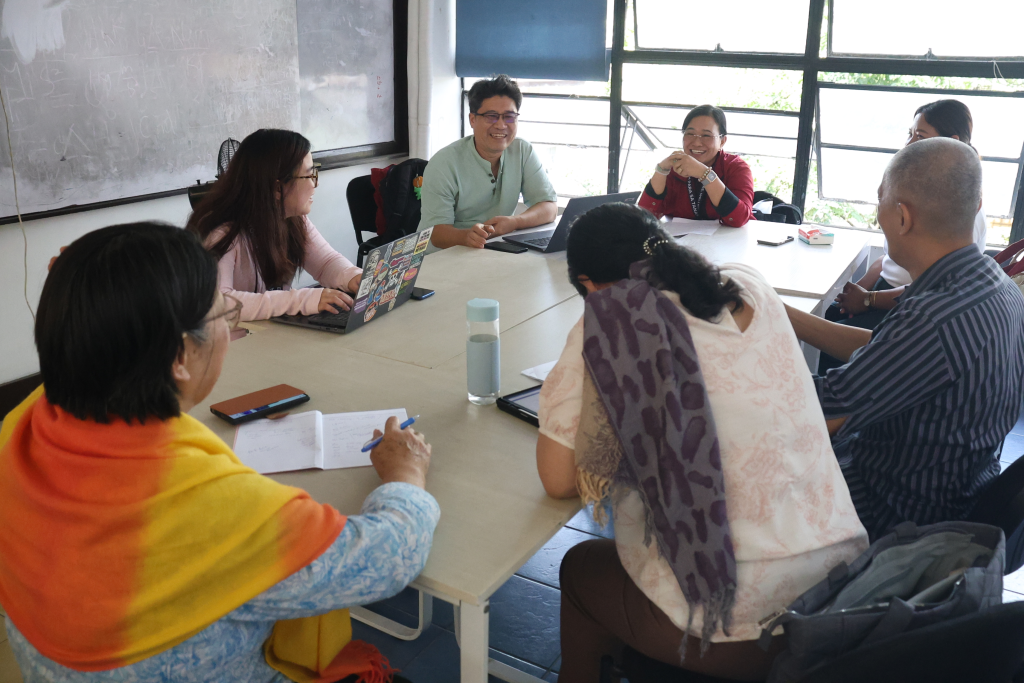
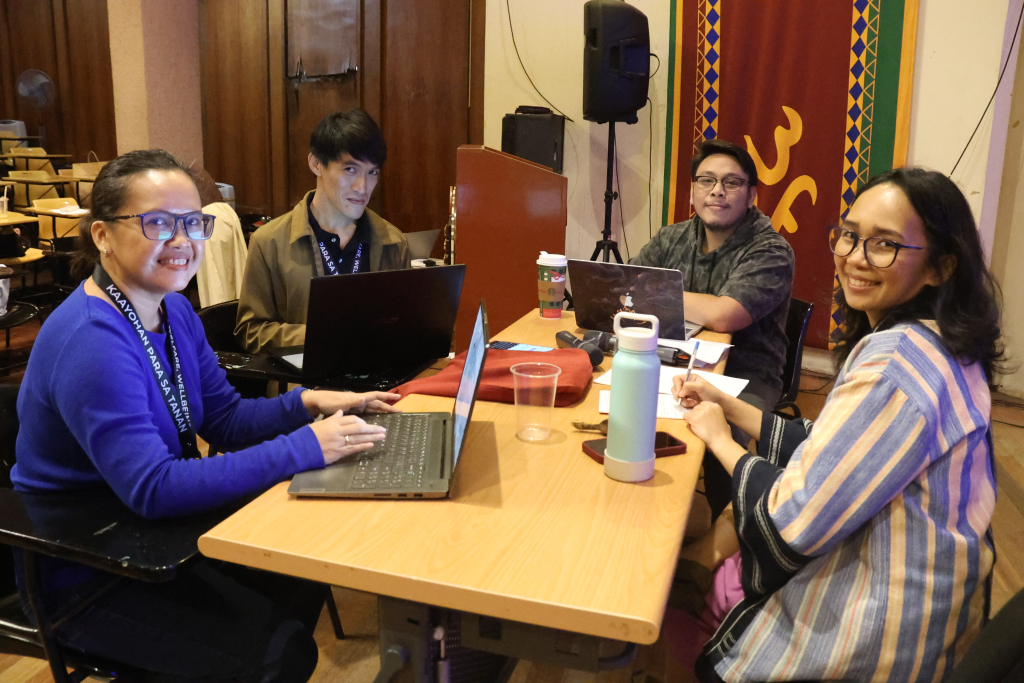
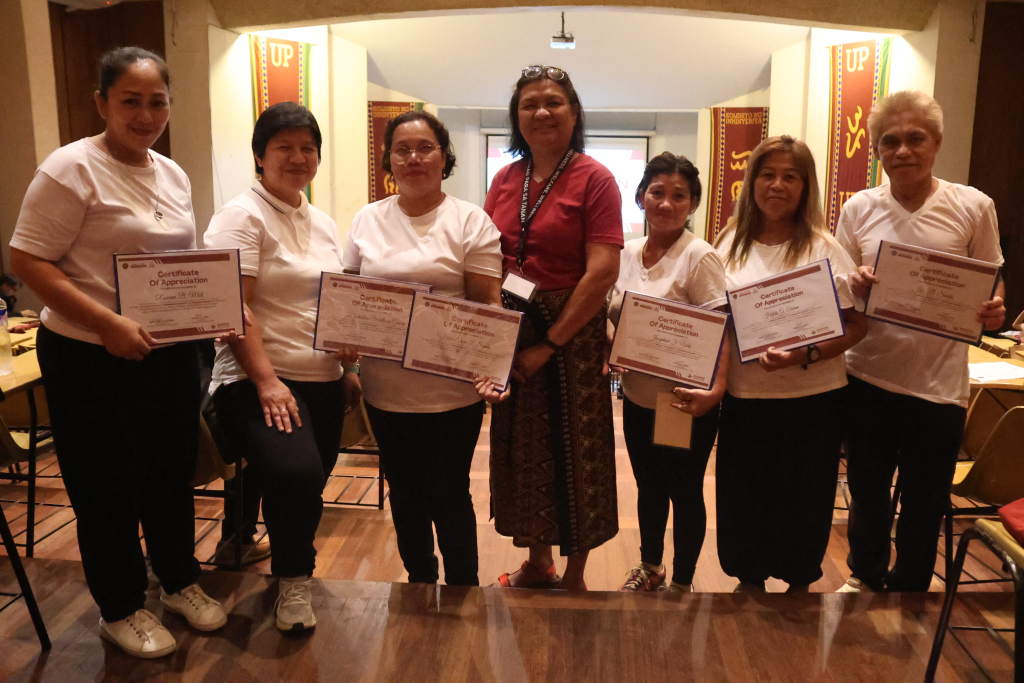
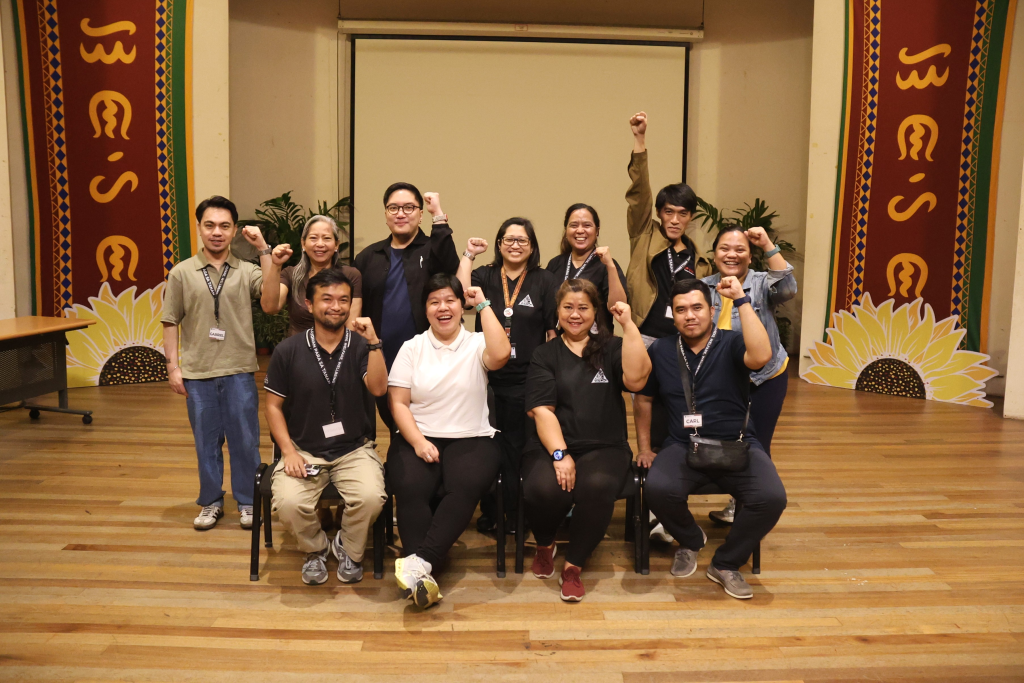
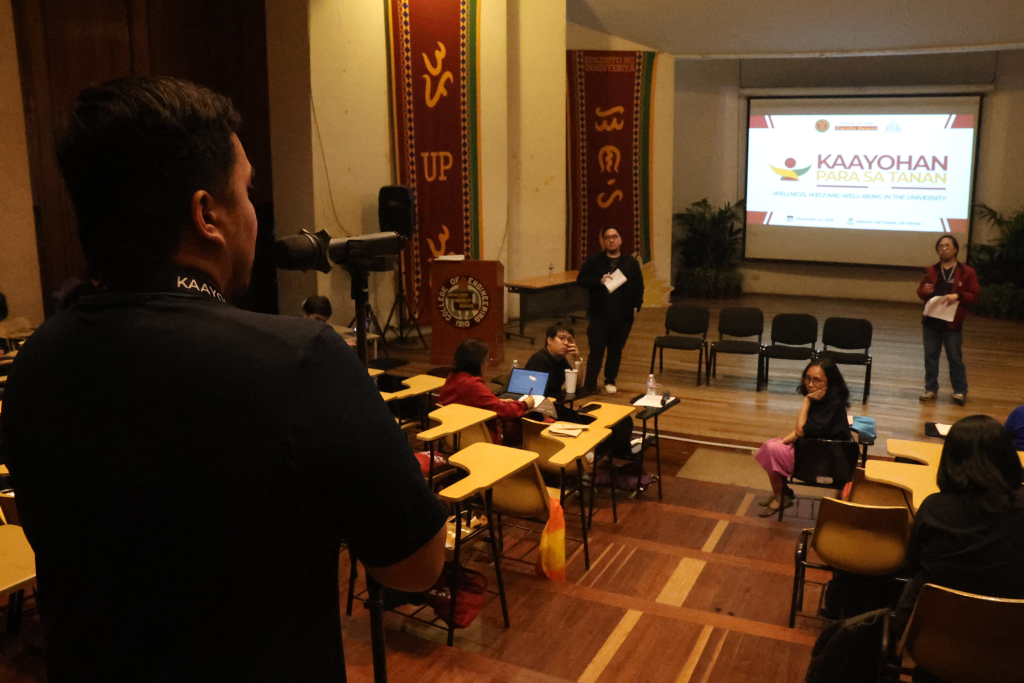
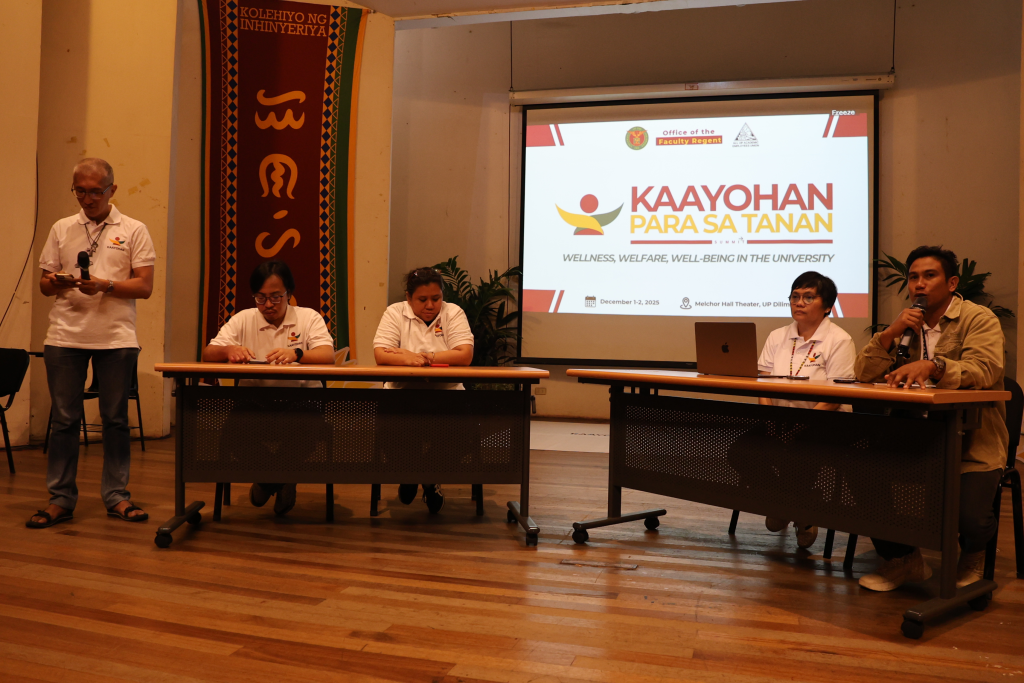
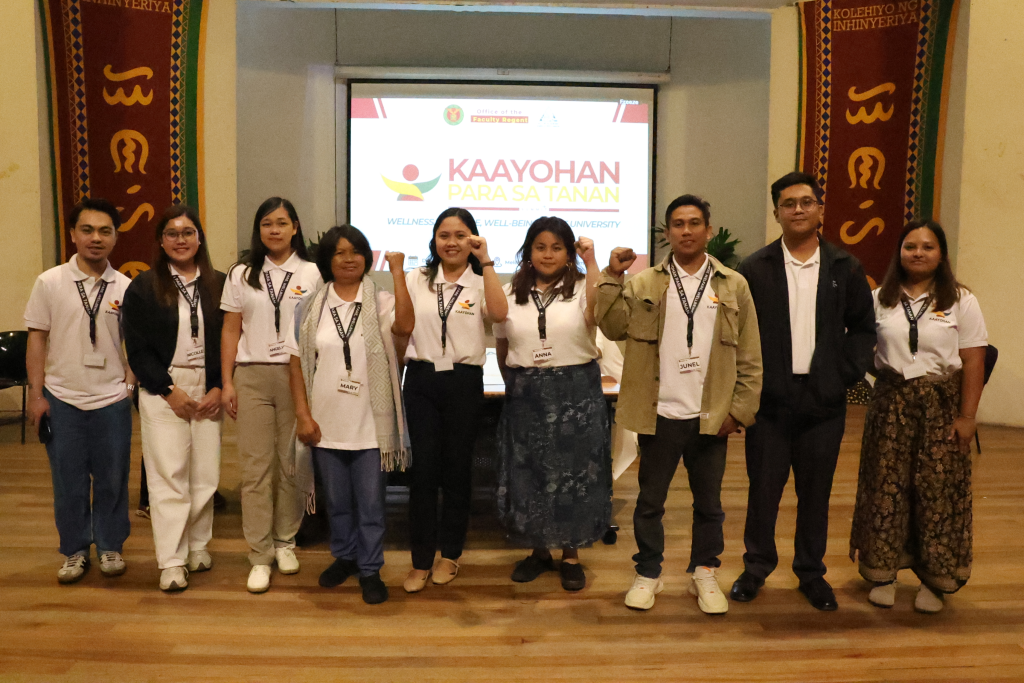
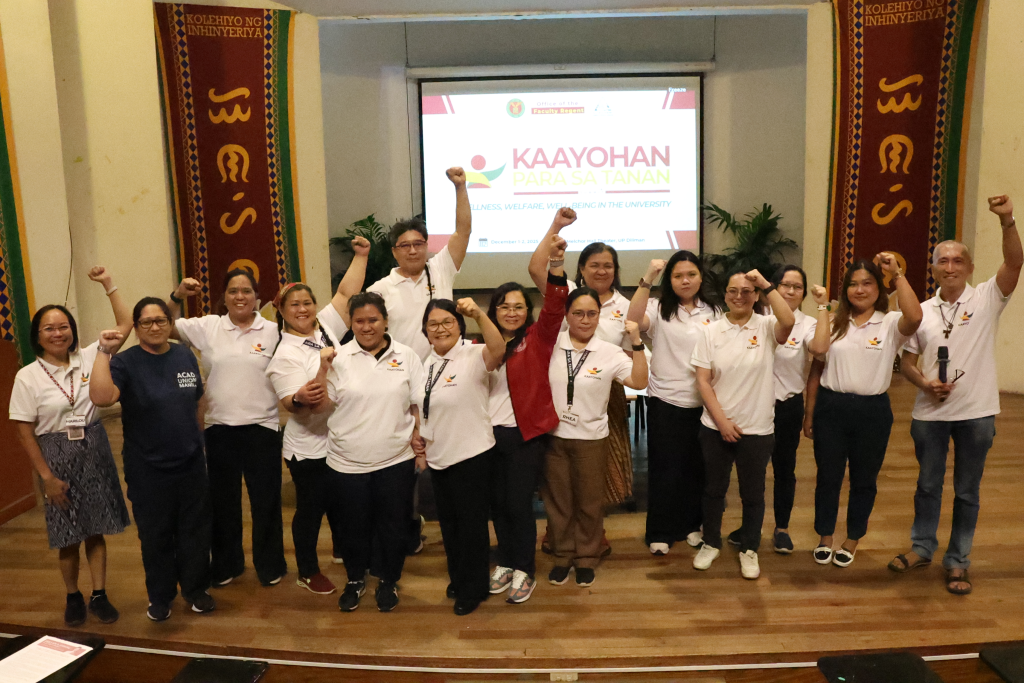
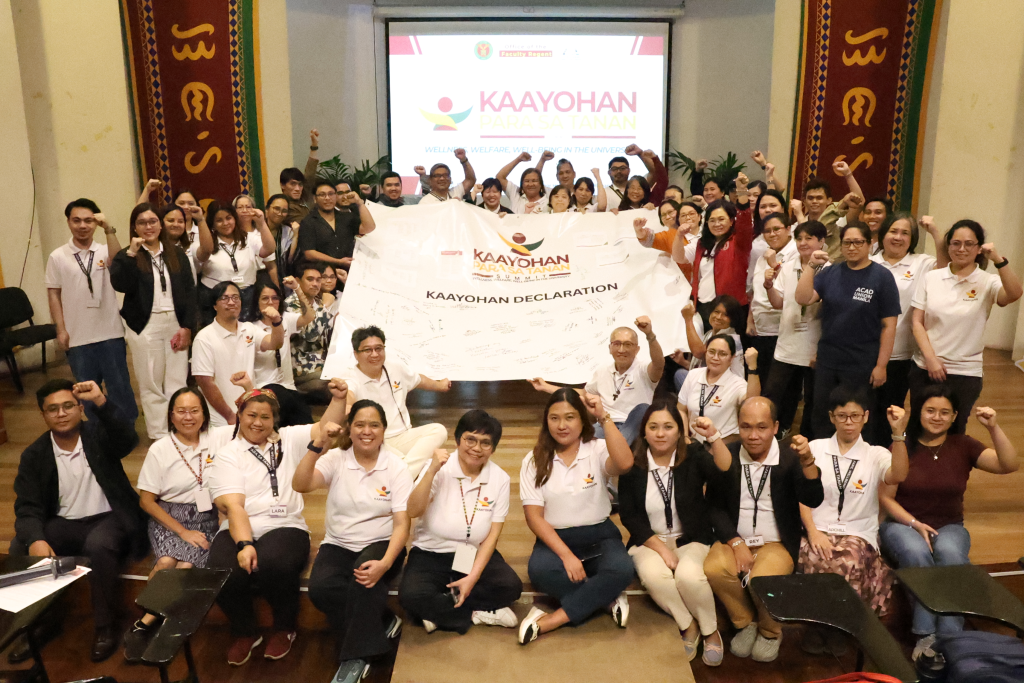
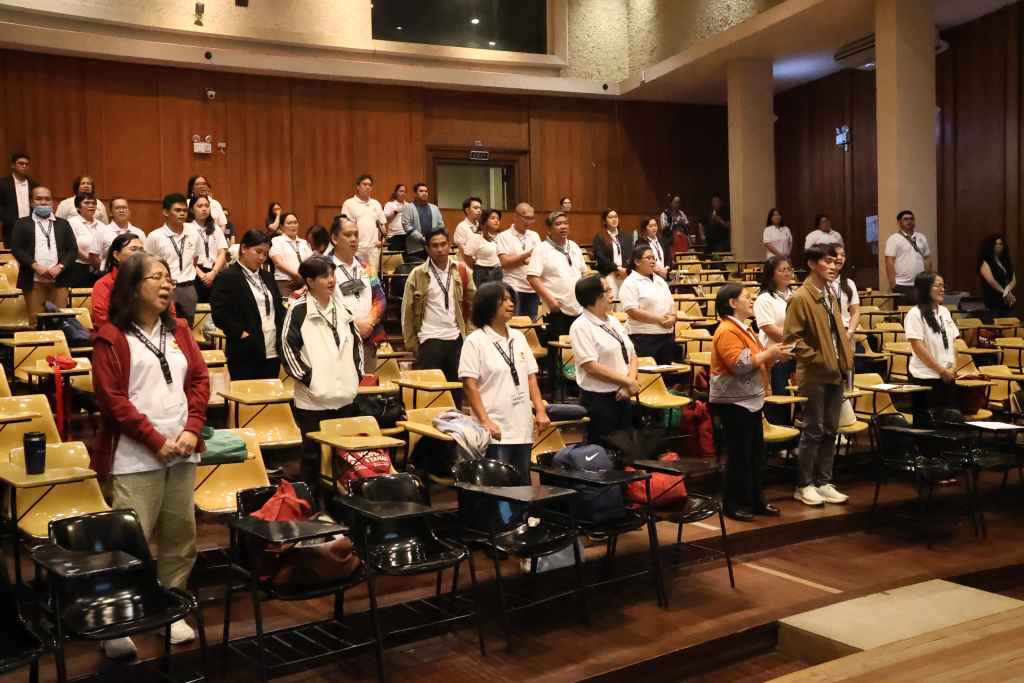
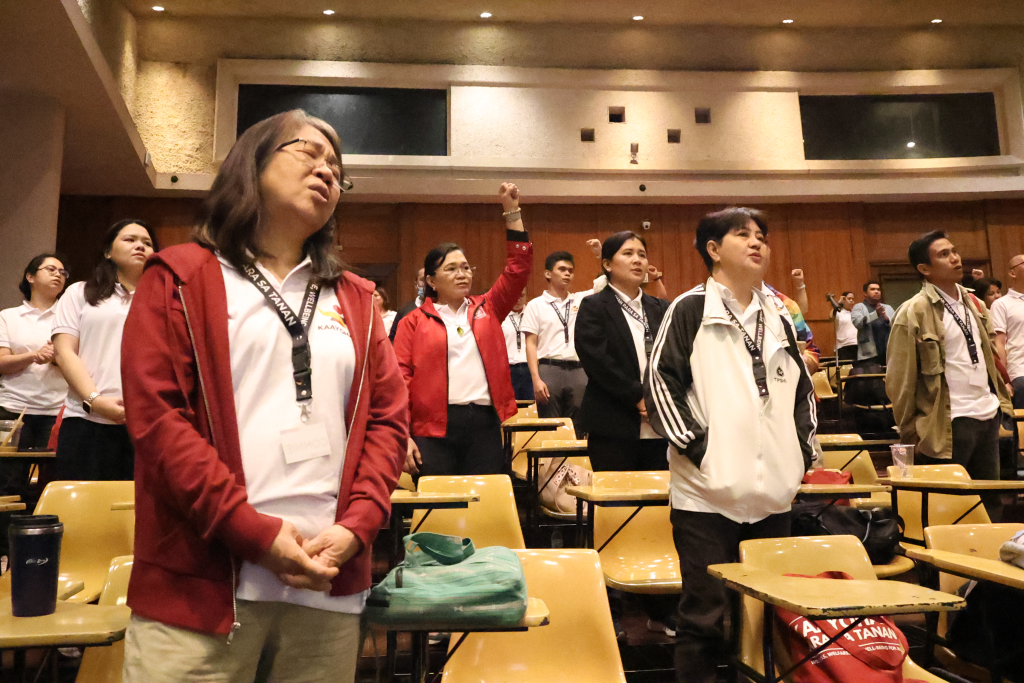
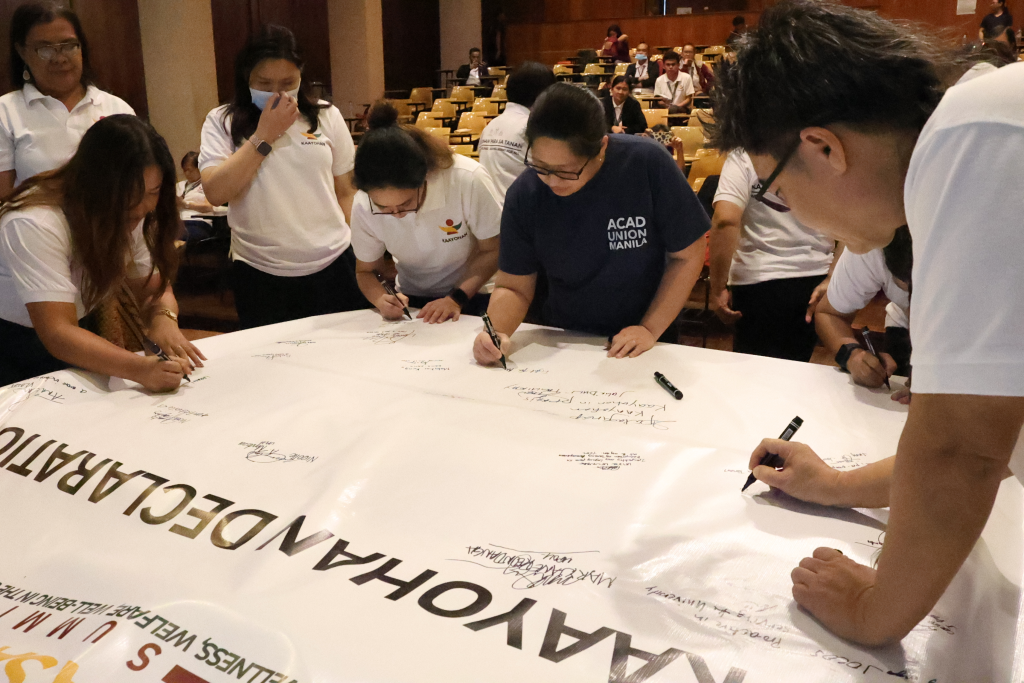
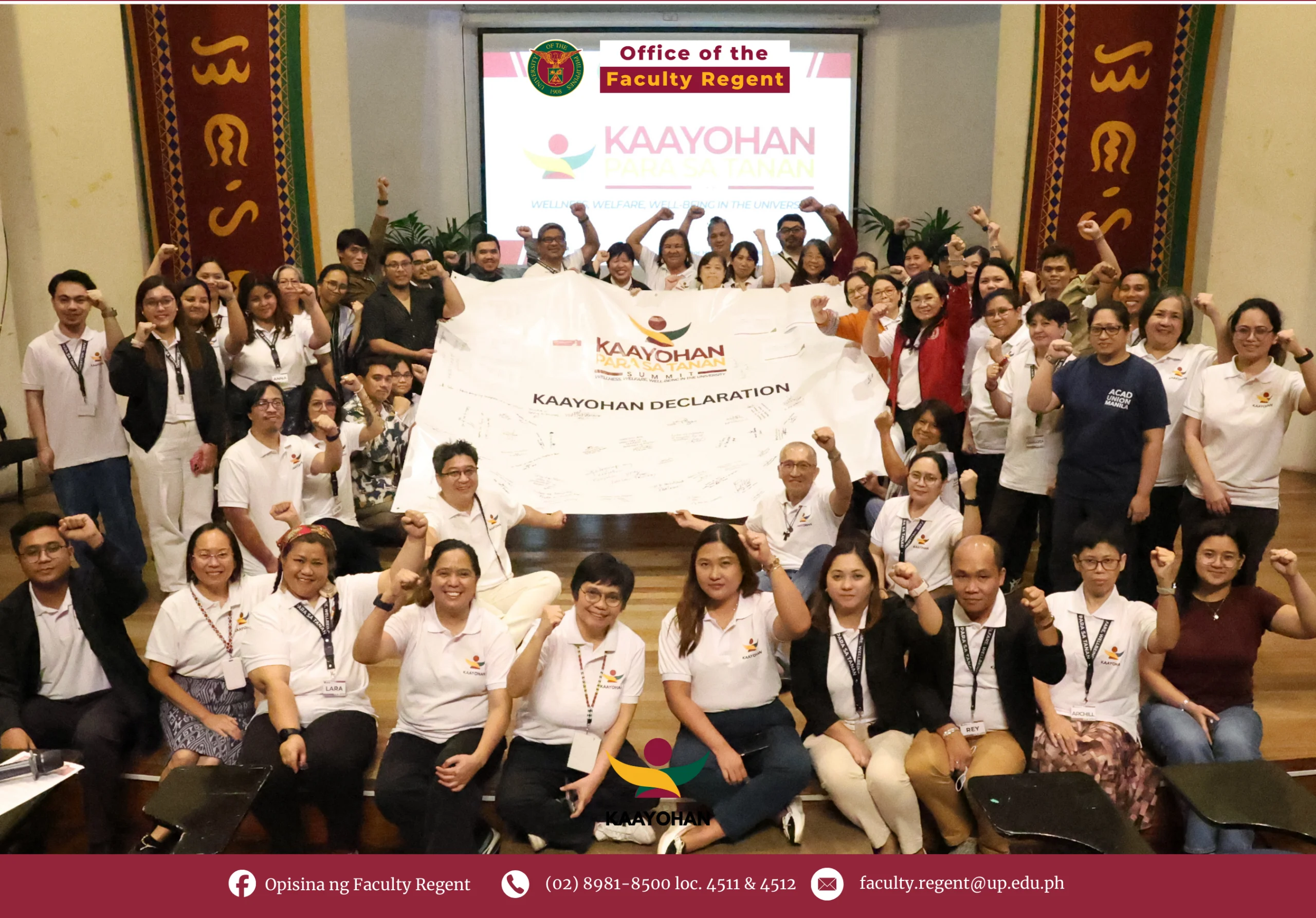
In order for the University of the Philippines (UP) to serve the people well, it has to ensure the wellness, welfare, and wellbeing of its own community. This, in essence, was one of the key messages that came out of the Kaayohan Summit on December 1-2, 2025 at the Melchor Hall Theater, College of Engineering, UP Diliman, Quezon City. Guided by the theme “Kaayohan para sa Tanan: Wellness, Welfare, and Well-being in the University,” the two-day event sought not only to articulate the challenges to well-being experienced by UP’s workforce but also to propose for policies that enable the community to better deliver its indispensable public service to the country. The summit brought together faculty, REPS, administrative staff, and contractual personnel from across the UP System. At the core of the summit was the Kaayohan framework adopted by the UP Office of the Faculty Regent, which emphasizes that honor, excellence, and service rest fundamentally on the well-being of its people. This framework recognizes that a university’s capacity to teach, conduct research, and deliver public service is inseparable from the conditions of its workers. The Summit identified some of the systemic issues faced by the UP community. These include heavy workloads, unclear or unfair promotion pathways, limited institutional support, mobility and housing issues, and persistent job insecurity undermine the university’s mission. By confronting these issues head-on, the summit aimed to advocate for a policy shift toward a healthier and more humane academic environment. The keynote address delivered by Dr. Paul Michael Hernandez of the UP Manila Healthy University Office highlighted the urgency of institutionalizing well-being. He urged the university community to advocate not only for better funding but also for structural commitments that protect worker welfare. Dr. Hernandez called for allocating five percent of UP’s annual budget to health and wellness — similar to the Gender and Development budget requirement. By linking well-being initiatives to systemic funding mechanisms, he emphasized the need for long-term solutions rather than piecemeal efforts. Challenges to well-being The plenary discussions, meanwhile, highlighted the various challenges that undermine the well-being of university personnel. In the first plenary session on wellness, speakers pointed to mental health concerns, unsafe spaces, physical accessibility issues, and the emotional toll of being overworked and undervalued. Prof. Ervina Espina of the UP Ugnayan ng Pahinungod said that there are some unsafe spaces in UP where a “culture of silence” exists. Meanwhile, Prof. Pat Carranza, a mobility advocate and head of the UP College of Music’s Music Education Department, added that the lack of reliable transportation within UP Diliman creates daily hardships, especially for those with mobility concerns. Job insecurity among Job Order/Contract of Service (JO/COS) or contractual workers has been a central concern among the university workforce, said Anna Cruz of the Alliance of Contractual Employees in UP (ACE UP). She emphasized that these employees, who perform essential roles yet lack job stability, must be fully included in the university’s wellness planning. Dr. Shelley Ann Dela Vega added preventive care also needs to be on top of the wellness agenda. She reminded delegates that institutional support for early health interventions can significantly improve long-term outcomes for employees. The role of institutional support in well-being The second plenary discussions during the first day focused on institutional support for welfare. The discussions revealed substantial gaps in career development, compensation, and benefits. Ms. Perlita Raña, national president of the All-UP Academic Employees’ Union (AUPAEU), critiqued the current salary system, asserting that there seems to be a disconnect between employees’ growing expertise and their stagnant pay levels. Staff Regent-elect Rey Espanto, meanwhile, commented that equity remains uneven across constituent universities, urging UP to standardize benefits under the principle of “One UP.” Two UP System officials shared updates on the Angelo Jimenez administration’s efforts to address wellness concerns. Assistant Vice President for Administration Prof. Richard Javier announced a UP-TESDA partnership for free capacity building, while Assistant Vice President for Academic Affairs Ian Kendrich Fontanilla discussed the Office of the Vice President for Academic Affairs’ grants and fellowships, among other things. Well-being and academic freedom During the second day, speakers participated in a plenary session focusing on the importance of academic freedom and how threats to academic freedom impact on the wellness, well-being and welfare of members of the UP community. Former Faculty Regent and UP Manila Prof. Carl Marc Ramota discussed efforts from the faculty community at defending academic freedom in UP in a climate of political repression and red-tagging. He noted the formation of the Committee for the Promotion of Academic Freedom and Human Rights in most Constituent Universities in UP as one of the important developments that need to be seen through in the next coming years. Professors Willy Alangui of UP Baguio and Regletto Imbong of UP Cebu discussed how faculty members and other UP community members in their own CUs faced the various challenges and threats to their exercise of academic freedom. Alangui asserted that academic freedom is of utmost importance in order to achieve Kaayohan. Imbong, meanwhile, cited former UP President Francisco Nemenzo, who said that academic freedom is for those who need it the most – the poor and marginalized sectors of Philippine society. Both emphasized the need for both collective action and solidarity with other sectors of Philippine society as crucial in asserting democratic rights. Ruby Anna Bernardo, national chair of the Alliance of Concerned Teachers (ACT), noted the larger context of the threats to academic freedom and human rights in the country. She gave various examples of how educators, both in the public and private sector, and in all levels, have asserted for salary increases and greater benefits but were targeted with reprisals. Bernardo also noted the successes achieved by such assertions. Synthesizing best practices, proposals Throughout the two-day summit, participants of the various UP CUs participated in workshop discussions in order to consolidate both the common issues they face and formulate proposals grounded in the Kaayohan framework. At the end of the summit’s second day, representatives from the
Mensahe sa UP Manila School of Health Sciences – 1st SHS-Wide Recognition Rites

Maayong hapon sa inyo tanan. Magandang hapon po sa inyong lahat. Una kong nalaman ang tungkol sa UP Manila School of Health Sciences noong bahagi ako ng Academic Union at bago pa maging Faculty Regent. Sa tuwing pumupunta kami sa UP Tacloban ay sinisikap naming makapunta rin sa SHS Palo para makausap ang ating faculty at staff doon. Noong naging faculty regent na ako ay napuntahan ko rin sa wakas ang Baler, Koronadal, at Tarlac campuses. Sa ilang beses kong pagpunta ay dalawa ang laging tema ng aking mga nakikita’t naririnig: Sa isang banda, kailangang kailangan ng SHS ng suporta sa imprastruktura at pasilidad, gayundin ng dagdag na items at panahon para sa advanced studies at research ng ating mga kaguruan at kawani — matingkad pa sa aking alaala ang napakalaking butas sa bubong ng faculty room sa Palo, kung saan sobrang init kapag summer dahil hindi ito malagyan ng aircon, samantalang kailangan namang magpayong sa loob ng building tuwing tag-ulan. Halos ganito din ang sitwasyon sa Koronadal, kung saan naman kailangan pang magbenta ng mga guro ng kalamansi at kung ano pang bungang kahoy para may pambayad sa LBC at sa Baler, kung saan matagal ding natengga ang paggamit ng ilang kwarto at buildings na nasira ng bagyo. Higit na maayos ang imprastruktura sa Tarlac, pero kagaya ng mga guro sa ibang SHS campus ay kulang na kulang din sila ng pagkakataong mag-aral, mag-research, at mag-publish dahil sa kakulangan ng plantilla items at iba pang suporta. Ngunit sa kabilang banda, kahit laging may kirot sa aking puso ang pagbisita sa ating SHS campuses, lagi rin akong may baong tuwa pag-alis. Naikot ko na po ang lahat ng mga campuses ng UP sa buong bansa — mula Baguo, Cebu, at Mindanao — pero sa SHS campuses lang po may mga estudyanteng marunong bumati ng good morning o good afternoon. Sa SHS campuses din laging binibida ng mga guro ang accomplishments ng kanilang mga estudyanteng nagtop sa board exam, nagbalik upang magturo sa SHS, o marubdob na nagsisilbi sa kani-kanilang mga bayan. Lahat nang ito ay nakakamtan ng UP MANILA SCHOOL OF HEALTH SCIENCES kahit na limitado ang suporta sa kanila. Isipin niyo na lang kung ano pa ang maaabot ng modelong ito kung higit pa silang nabibigyan pansin at resources. Sinasabi ng iilan na nagbabago na ang mukha ng mga Iskolar ng Bayan — may twang na kapag nagsasalita, parking space na ang pino-problema, at mas pinipili na ang single origin handcrafted coffee imbes na mag-make tusok tusok ng kwek kwek at fish balls. Hayahay na rin daw ang mga estudyante ngayon, lalo pa’t may AI na, kaya higit nang marami ang mga may latin honors. Kung may marinig o mabasa man kayong nagsasabi nito, sana ay maimbitahan natin silang bumisita sa kahit aling SHS campus, para makita nila ang mga isko at iska na matatas sa paggamit ng sariling wika, kinakapos ng pambayad sa traysikel, at nabubuhay sa isang pakete ng noodles sa buong araw. Ipaalam natin natin sa kanila ang SHS campuses kung saan kahit walang numerical grades ay masigasig na nag-aaral ang mga estudyante at nangunguna sa mga licensure exams. Ipakilala natin sa kanila ang bawat mag-aaral sa SHS campuses na kailanma’y hindi mapapantayan ng artipisyal na kaalaman ang kaugaliang likas na mapagkalinga at mapagmalasakit. Sa Class of 2025, hihiramin ko lang ang sinabi ng isa sa mga guro niyo. Nagsimula kayo sa pandemya at ngayo’y magtatapos sa delubyo. Hindi naging madali ang bawat hakbang, ngunit kahapon ay nagsipagtapos kayo sa pambansang pamantasan. Ang bawat isa sa inyo ang matingkad na halimbawa ng paggamit ng galing nang may dangal sa paglilingkod bayan. Hangad kong may Return Service Agreement man o wala, lagi’t lagi sana kayong itutulak ng inyong puso na patuloy na magsilbi sa komunidad na higit na nangangailangan sa inyong husay at malasakit. Panginbulahan, Class of 2025! Padayon at magandang hapon pong muli sa inyong lahat! EARLY SOL A. GADONG 28th UP Faculty Regent 23 Hulyo 2025 Cine Adarna, UP Diliman
Faculty Regent Gadong expresses alarm over 2025 UP budget cut

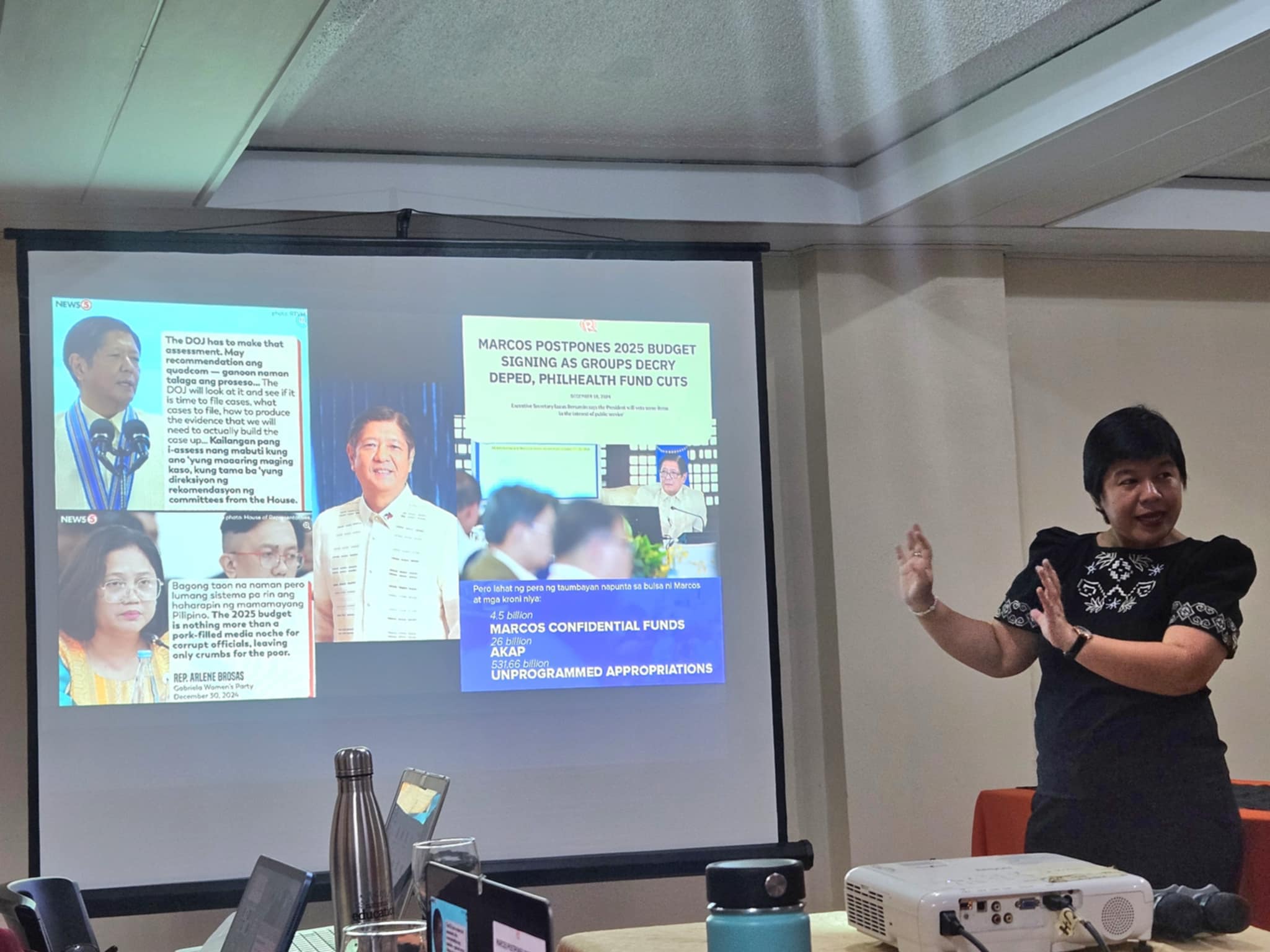
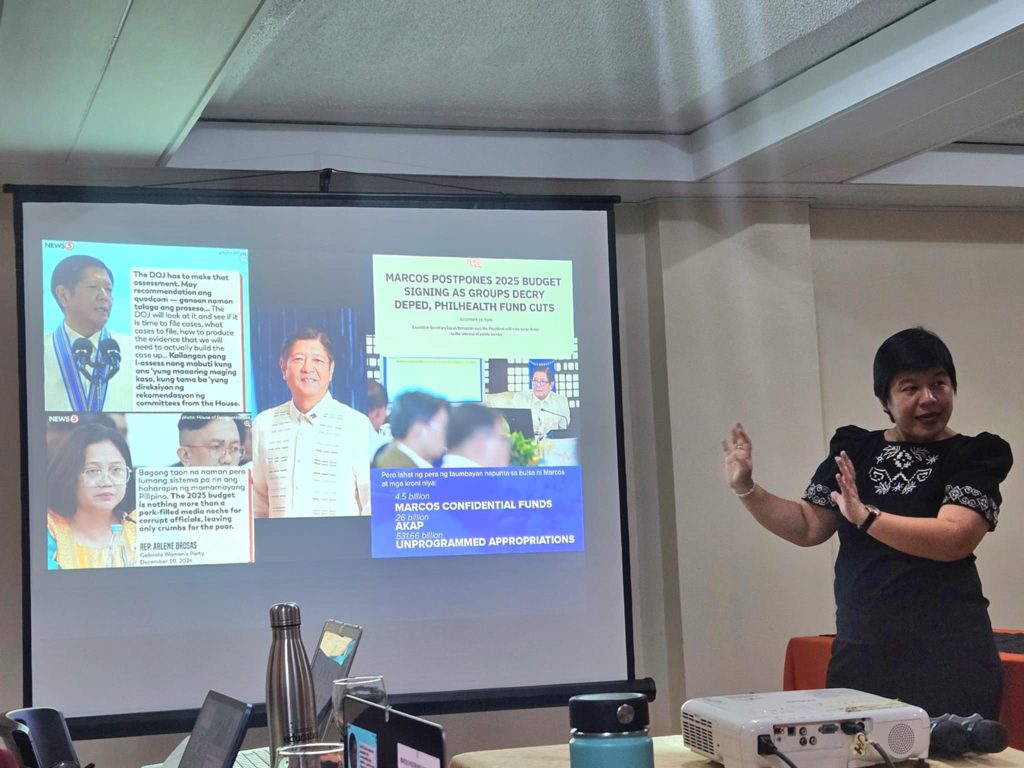
Faculty Regent Early Sol Gadong has expressed alarm over the PhP2.08 billion budget cut affecting the University of the Philippines (UP), alongside reductions in the budgets of critical social services such as the Department of Social Welfare and Development (DSWD), Department of Health (DOH), and housing agencies. Speaking at the All UP Academic Employees Union (AUPAEU) Strategic Planning for 2025, Gadong urged collective action to address these austerity measures, which she warned would adversely affect UP and marginalized sectors across the country. Newly sworn-in Faculty Regent Gadong officially assumed office after being sworn in by UP President Angelo Jimenez in a short oath-taking ceremony at Quezon Hall in UP Diliman, Quezon City, attended by academic union officers, former faculty regents, university officials, and members of the UP community. During the planning session, Gadong delivered an in-depth discussion on the National Situation, providing a critical review of 2024 challenges and key political and economic issues for the new year. She analyzed the tensions between the ruling political cliques of the Dutertes and Marcoses, emphasizing their impact on national governance. She also discussed the quadcom hearings investigating former President Rodrigo Duterte’s bloody war on drugs and Vice President Sara Duterte’s questionable fund allocations under the Office of the Vice President and the Department of Education, including the alleged misappropriation of PhP125 million in just 11 days. The discussion highlighted the Marcos administration’s budget reductions for education, health, and disaster response, as well as the controversial PhP4.5 billion confidential funds under the Office of the President. Gadong warned of potential misuse of these funds to influence electoral outcomes and criticized increased Social Security System (SSS) contributions that burden working-class Filipinos. Faculty Regent Gadong called on AUPAEU members to join the campaign against budget cuts for social services and to advocate for academic freedom, social justice, and institutional accountability. The planning session ended with a commitment to advancing the welfare of UP faculty and staff while standing in solidarity with sectors affected by budget cuts, corruption, and political infighting.
Prof. Early Sol Gadong sworn in as 28th Faculty Regent of the University of the Philippines System

The Office of the Sectoral Regents (OSR) of the University of the Philippines (UP) welcomed its newly sworn-in Faculty Regent, Prof. Early Sol Gadong, during a ceremony held on January 6, 2025 at Quezon Hall in UP Diliman campus, Quezon City. Prof. Gadong, a faculty member of UP High School in Iloilo, brings with her a strong commitment to the welfare and well-being of the UP faculty and the university community. She assumes the office of the 28th Faculty Regent for the term 2025-2026. Her oath-taking ceremony was attended by various members and leaders of the UP community, including UP President Angelo Jimenez, UP Vice President for Academic Affairs Leo D.P. Cubillan, UP Vice President for Legal Affairs Abraham Rey Acosta, Secretary of the University and of the Board of Regents Roberto M.J. Lara, All UP Academic Employees Union (AUPAEU) National President Perlita Raña, Prof. Hermie Cartagena from the AUPAEU-Iloilo chapter, Jonathan Beldia from the UP Workers Alliance, members of UP Multisectoral Alliance, CONTEND, UP Arboretum community members, and others. Prof. Gadong articulated her vision for the office, focusing on a service-oriented leadership model that places a premium on faculty welfare, academic freedom, and inclusion. Central to her plan is the advocacy for more plantilla positions, liveable wages, and transparent policies on faculty recruitment, tenure, and promotion. Following the advocacies of outgoing 27th Faculty Regent Carl Marc Ramota, Prof. Gadong also expressed her intention to further push for the promotion of academic freedom, ensuring that UP remains a safe space for free thought and critical expression. Prof. Gadong further emphasized her commitment to mental health initiatives and welfare policies, such as advocating for enhanced housing benefits and stress-free commute options for newly hired faculty members. Additionally, her plan includes fostering stronger collaboration and dialogue across the different UP campuses to address unique academic challenges, such as those faced by the basic education units and creative sectors. As the newly appointed Faculty Regent, Prof. Gadong takes on the responsibility of representing the UP faculty’s interests in the Board of Regents and will work closely with university administrators and unions to push for reforms that address the growing needs of the faculty sector. In her message during the oath-taking ceremony, Prof. Gadong thanked his predecessors, particularly outgoing Faculty Regent Ramota, for their leadership and unwavering advocacy for academic freedom and faculty welfare. She assured the UP community that under her leadership, the Office of the Faculty Regent (OFR) would continue to be a vital platform for addressing the challenges faced by the faculty while upholding the university’s commitment to academic freedom and public service. The ceremony concluded with a humble salu-salo, where attendees partook of light snacks and gathered for a photo session.