Kaayohan Summit 2025: Centering Wellness, Welfare, and Well-being in UP

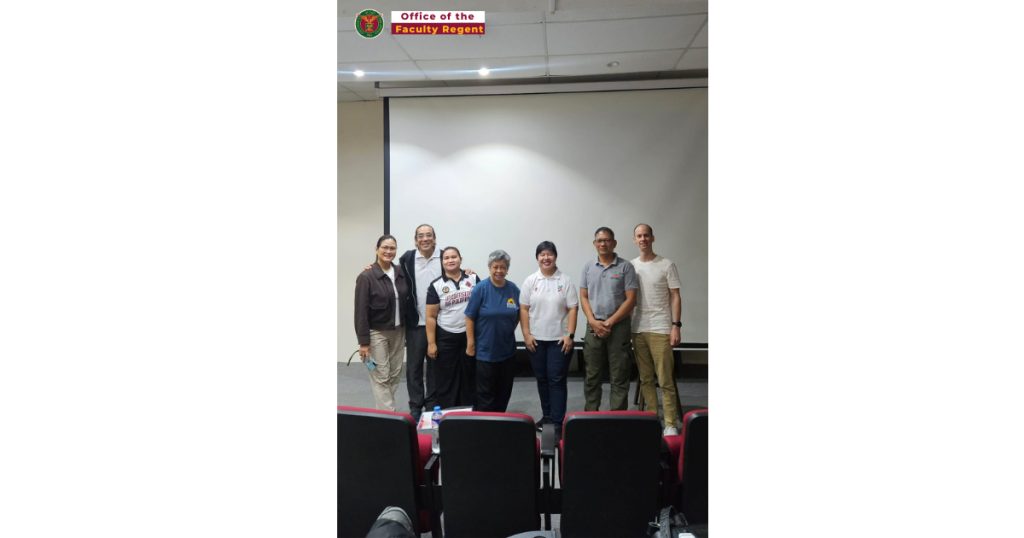
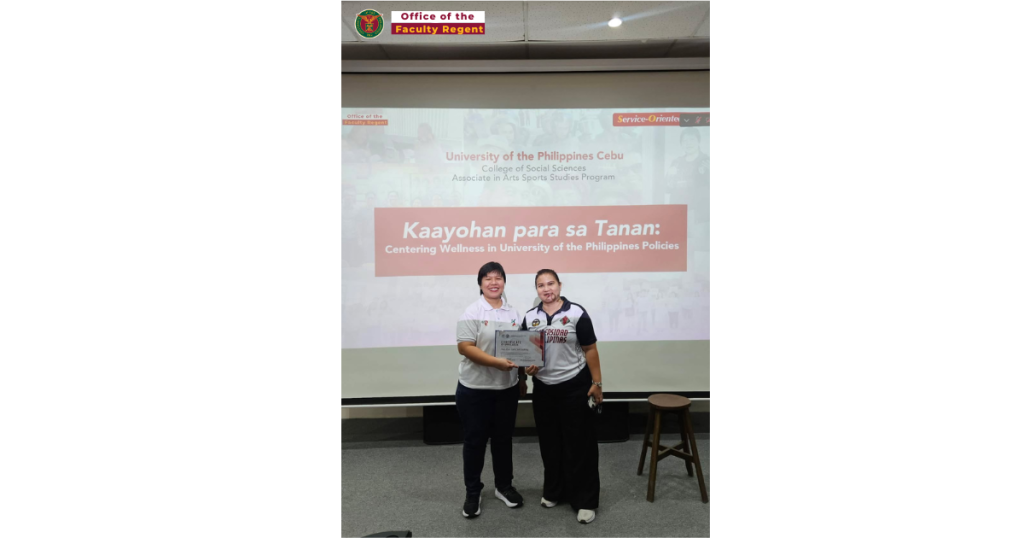
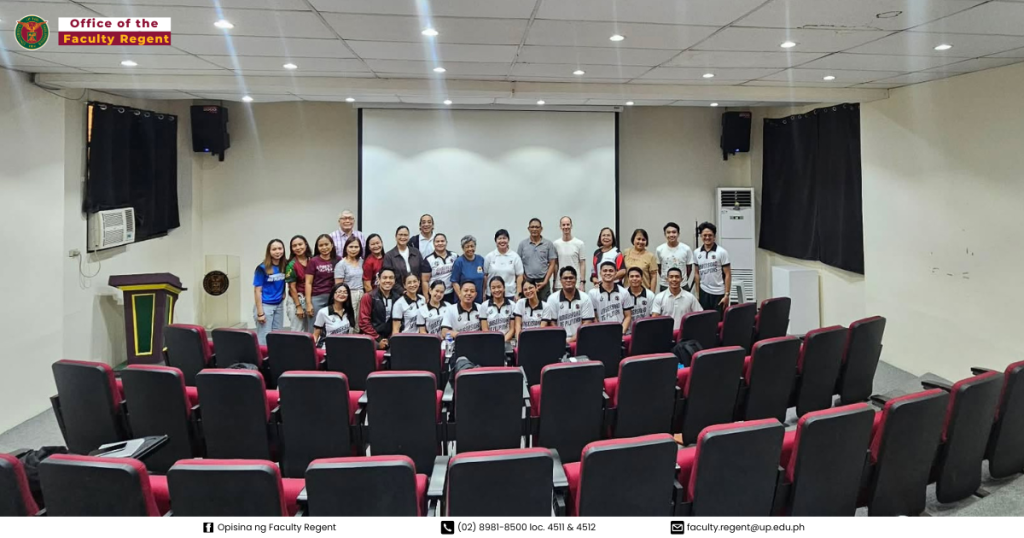
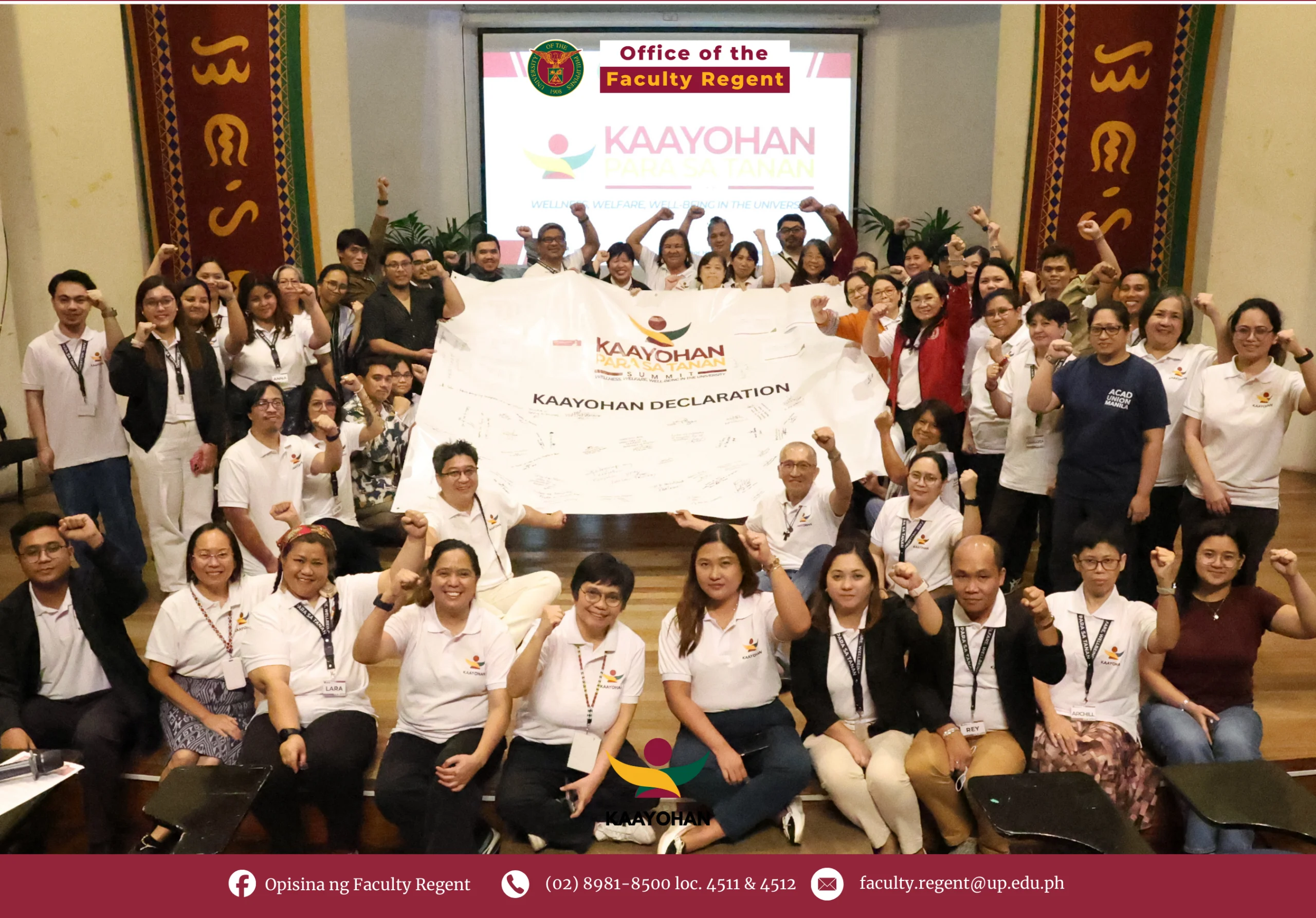
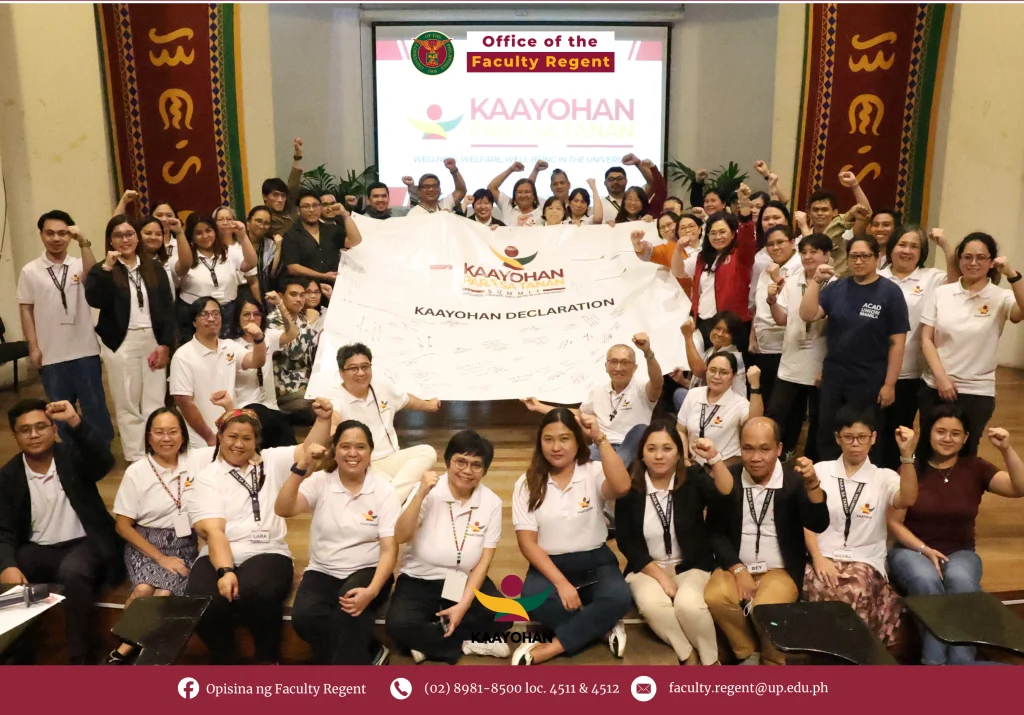
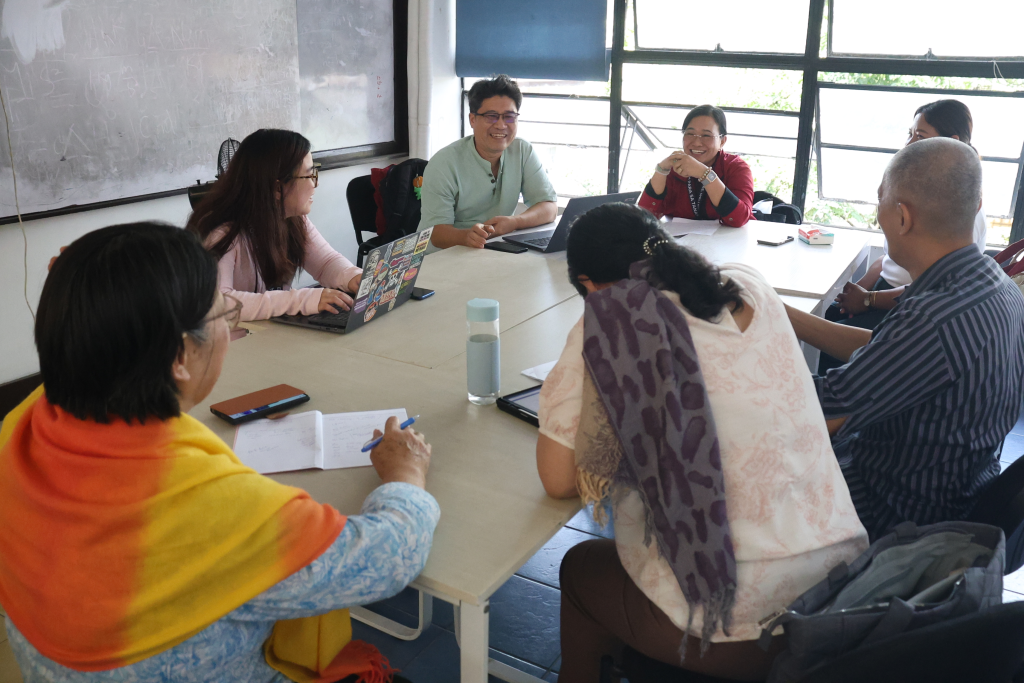
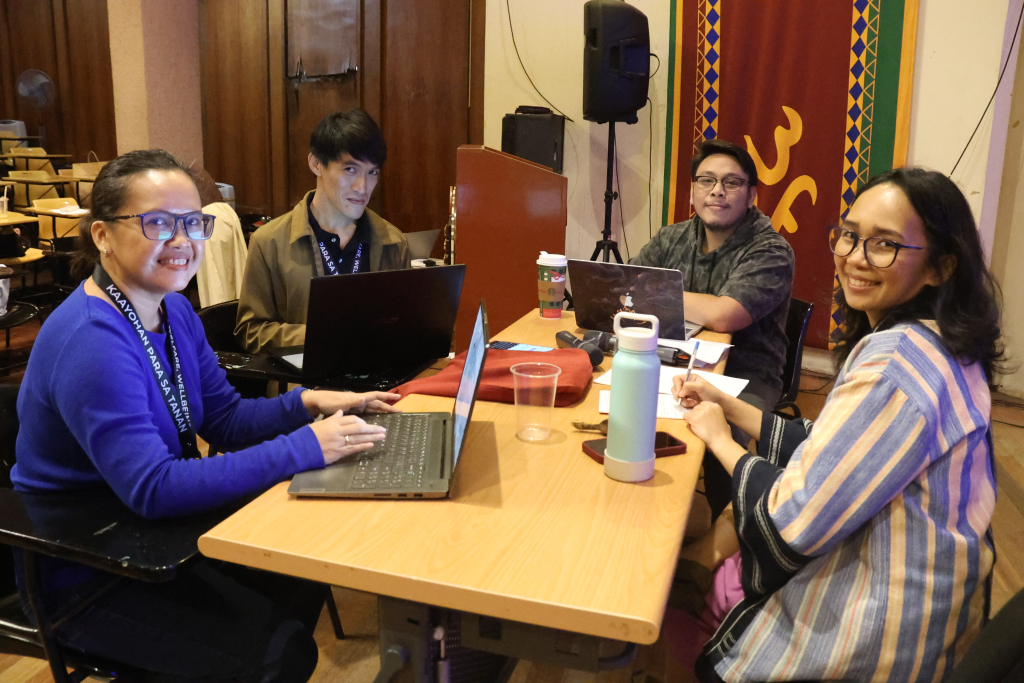
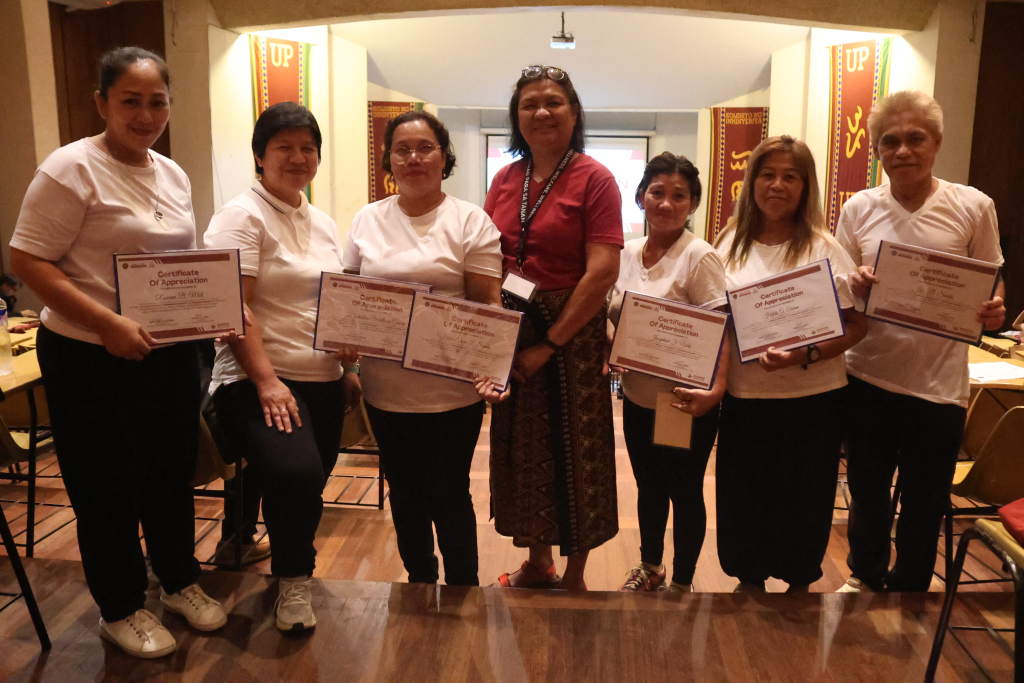
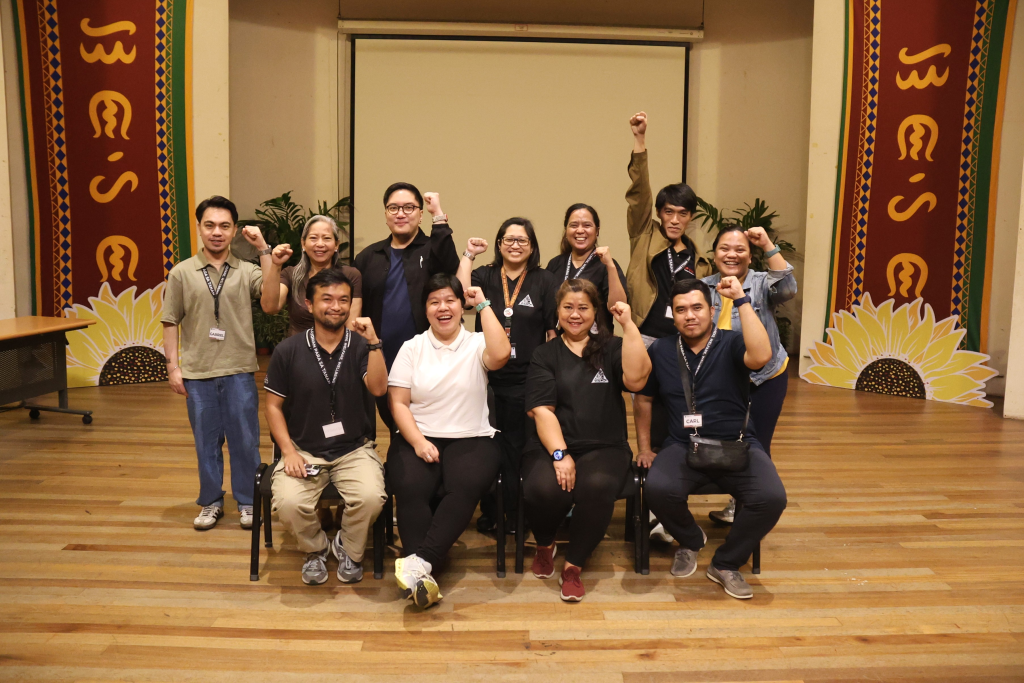
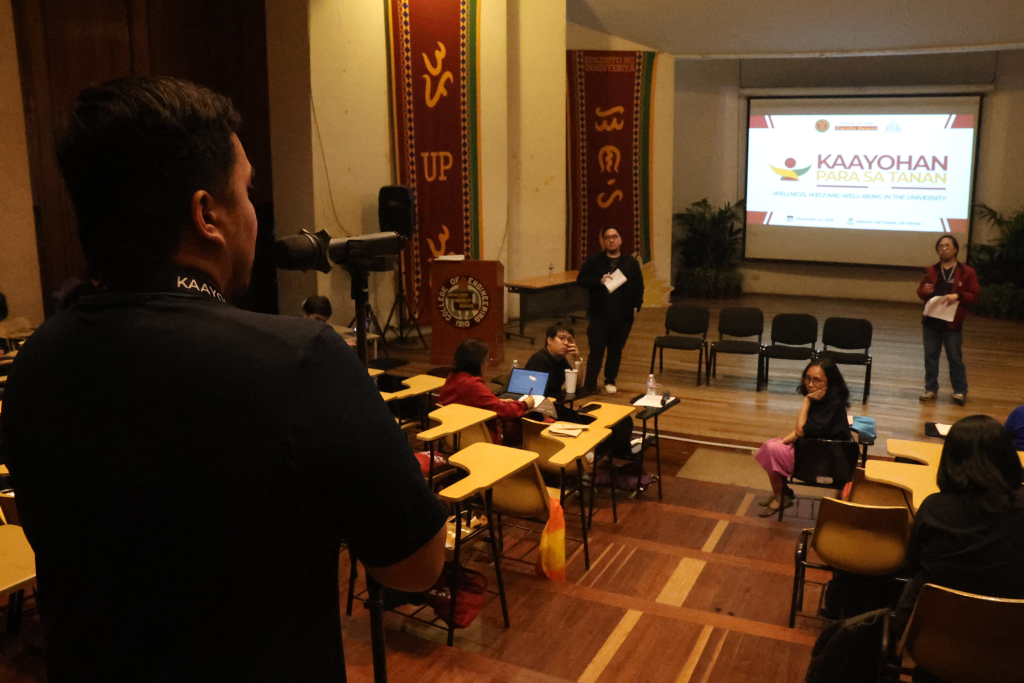
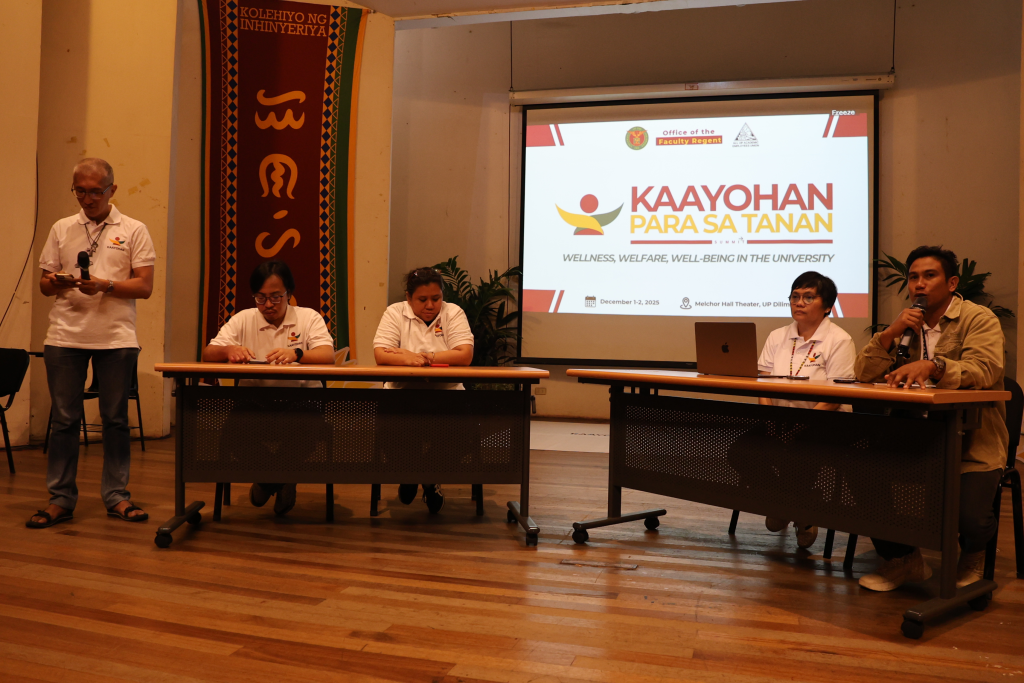
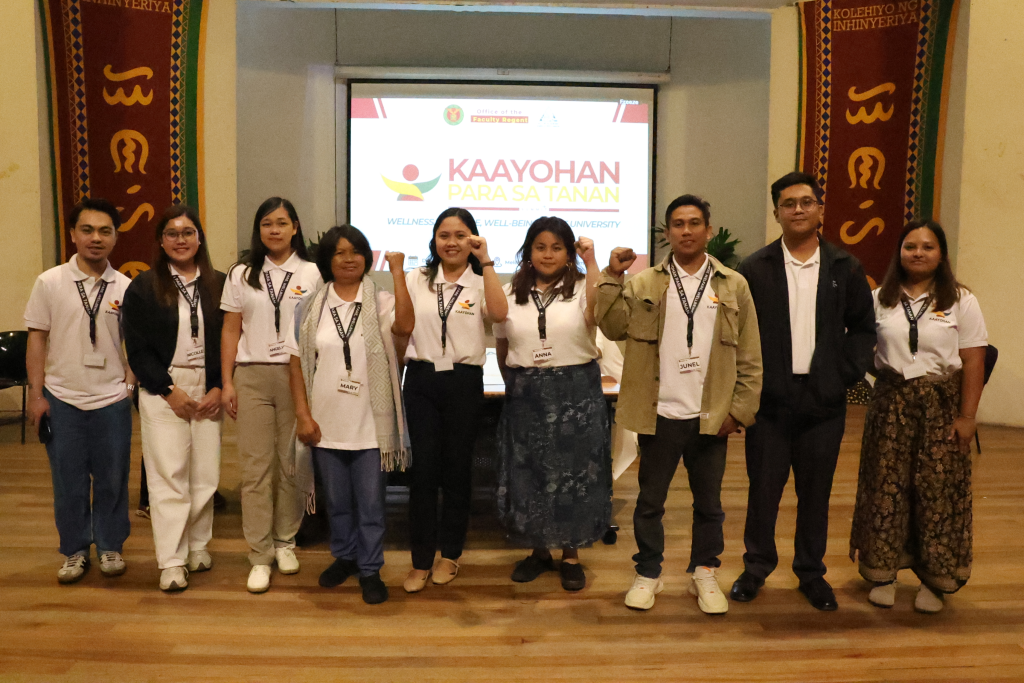
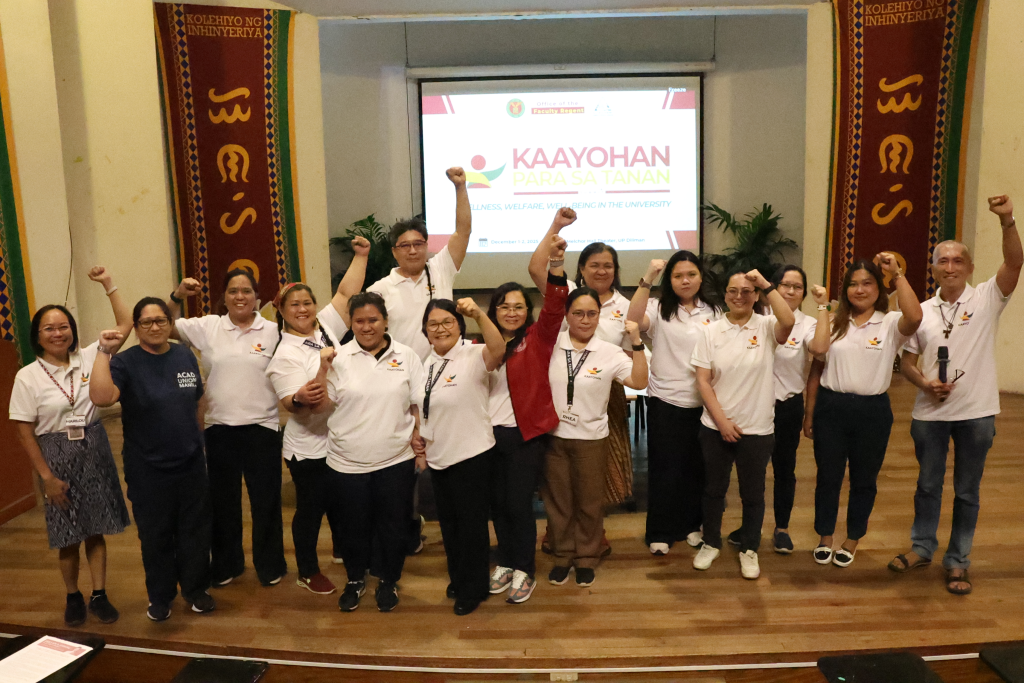
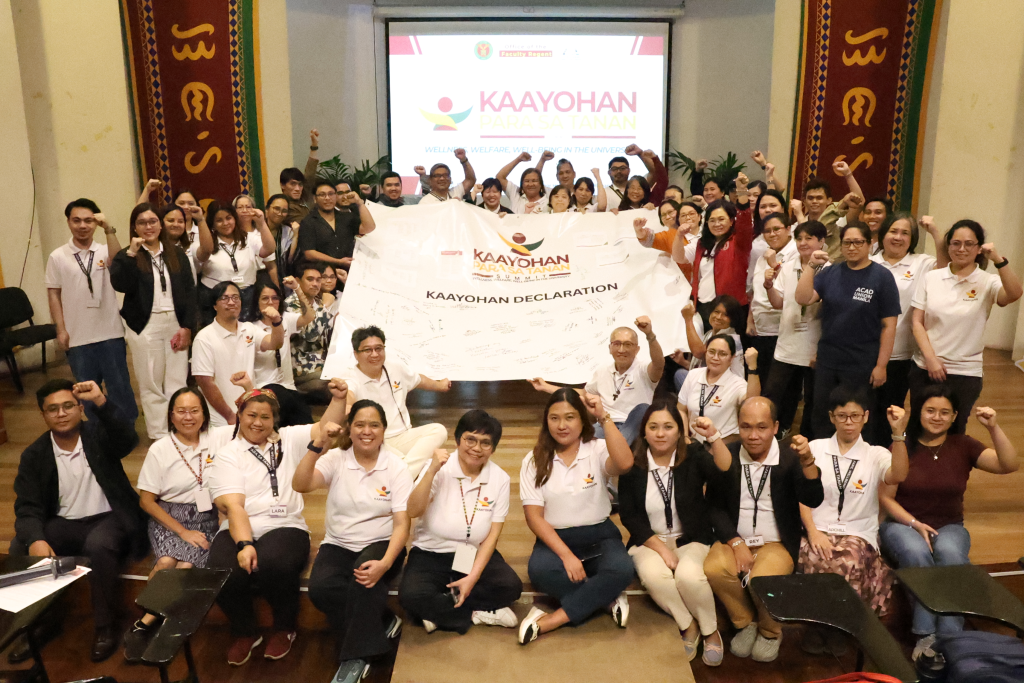
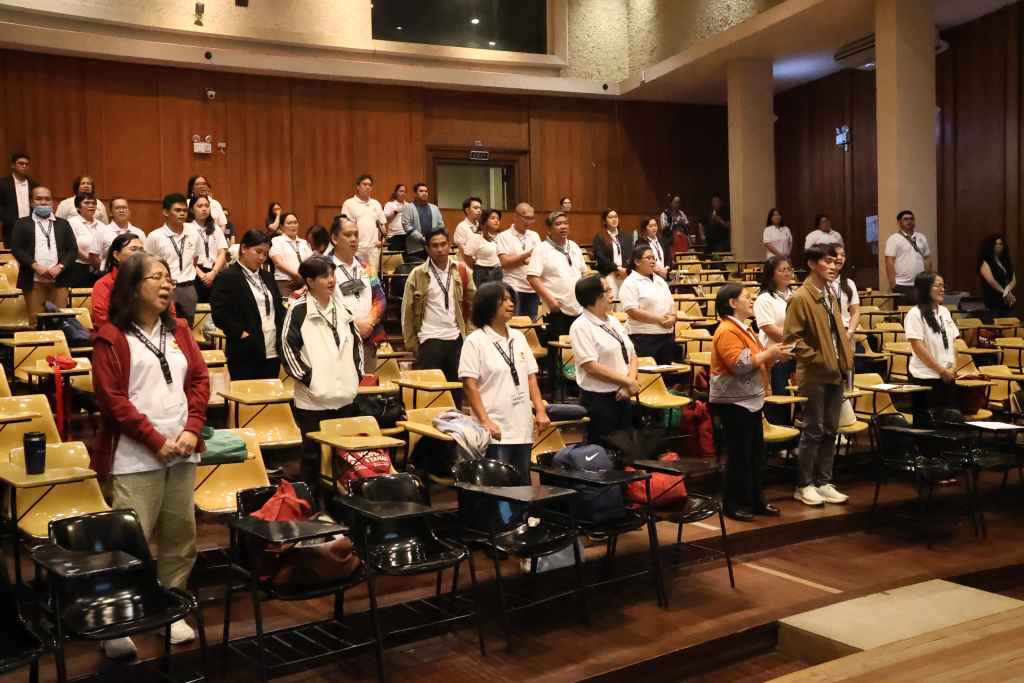
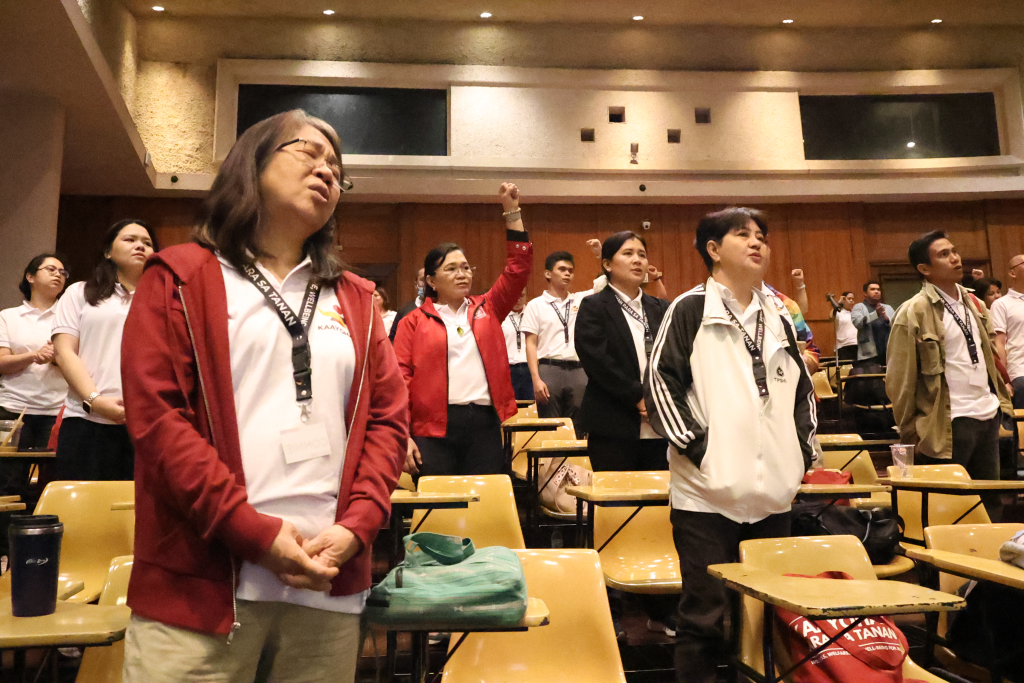
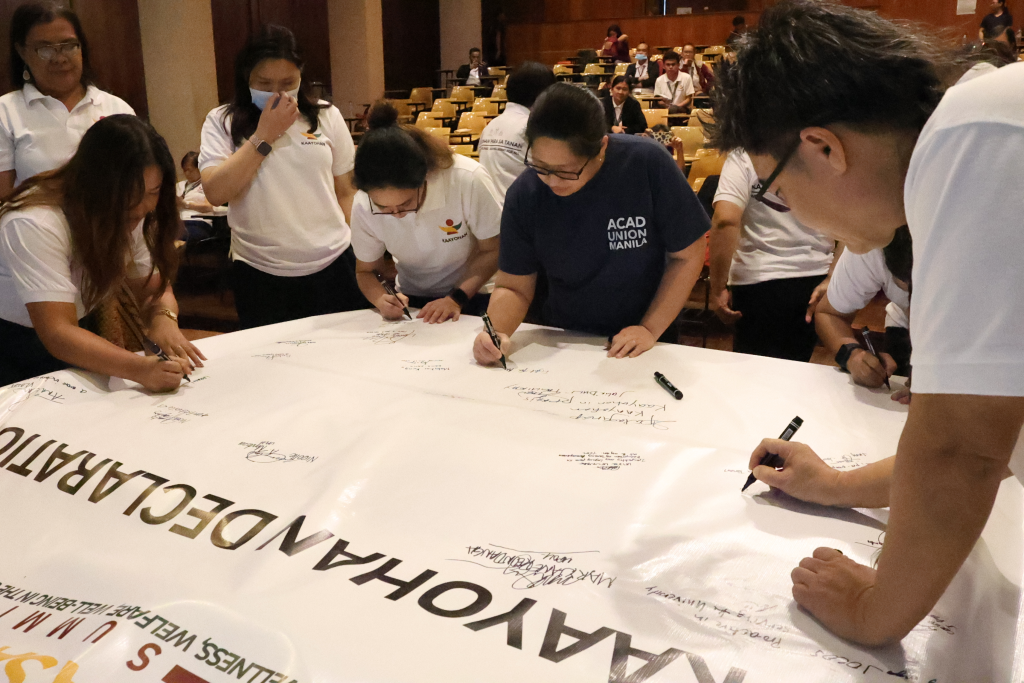
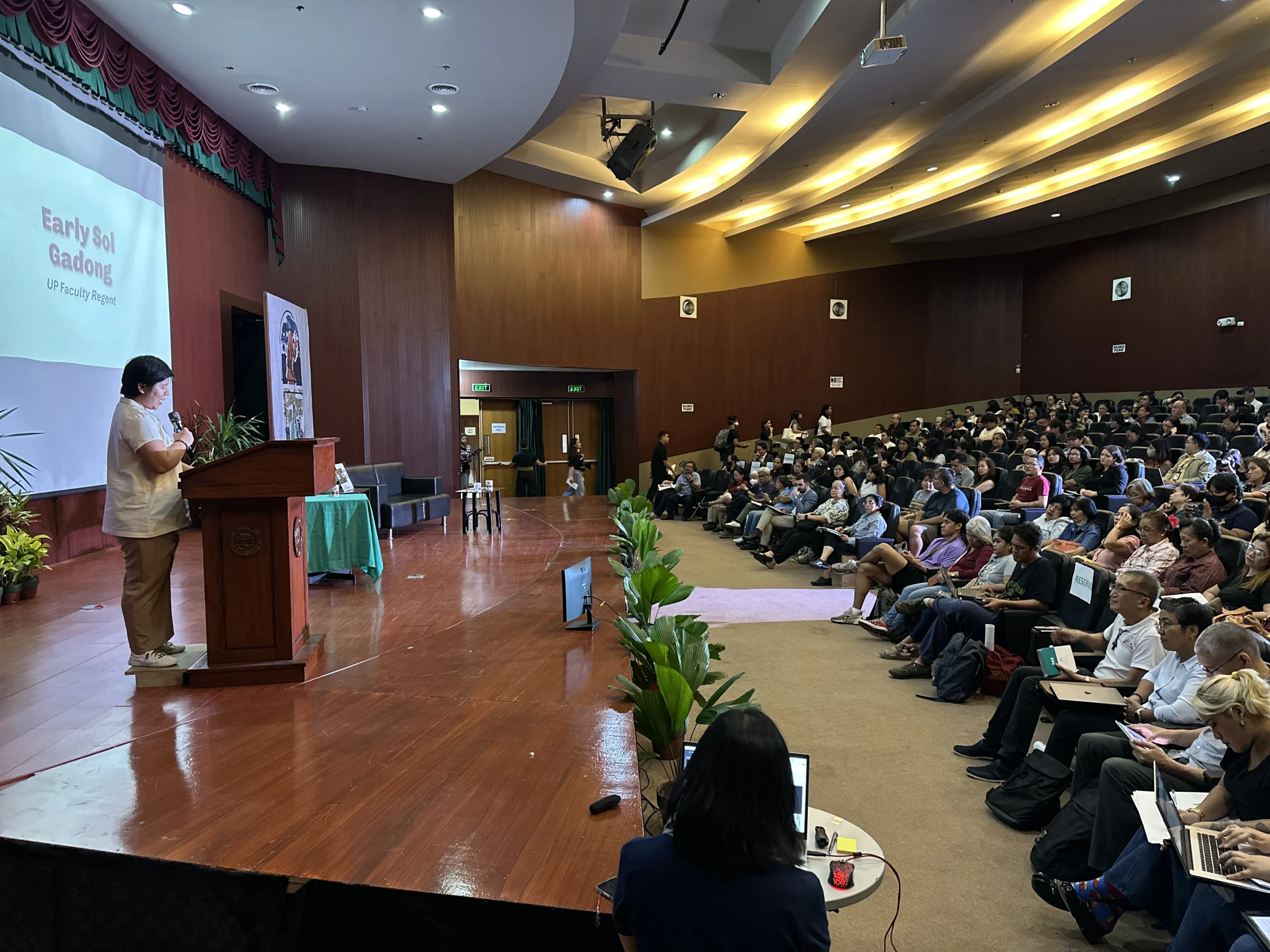
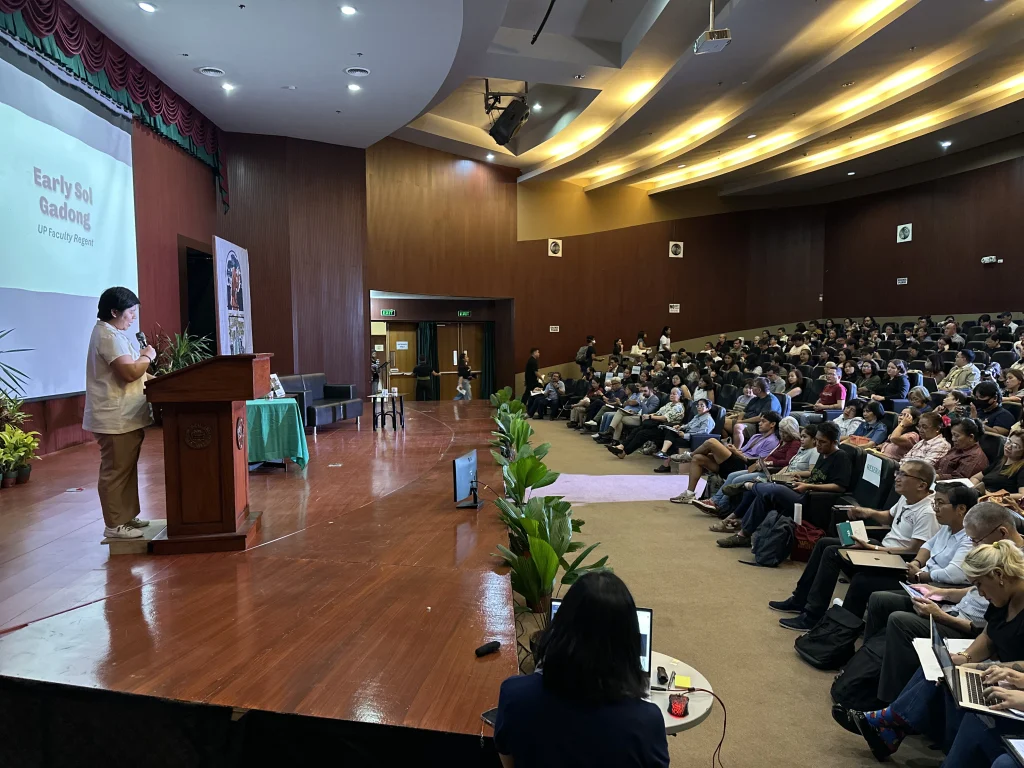
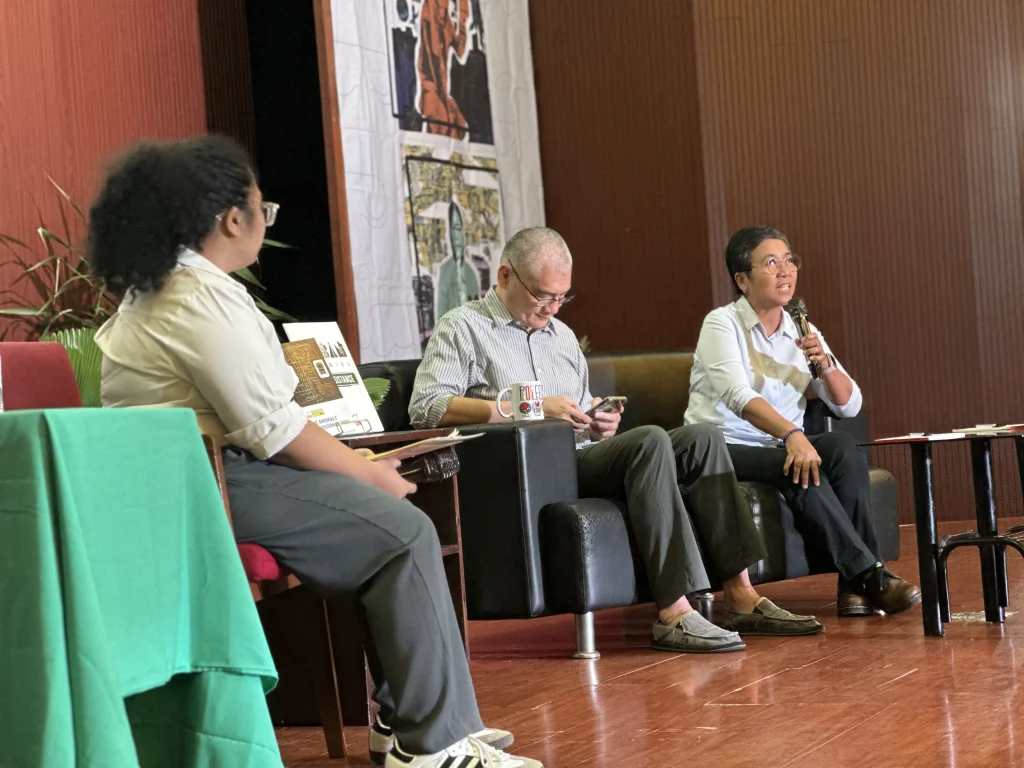
In order for the University of the Philippines (UP) to serve the people well, it has to ensure the wellness, welfare, and wellbeing of its own community. This, in essence, was one of the key messages that came out of the Kaayohan Summit on December 1-2, 2025 at the Melchor Hall Theater, College of Engineering, UP Diliman, Quezon City. Guided by the theme “Kaayohan para sa Tanan: Wellness, Welfare, and Well-being in the University,” the two-day event sought not only to articulate the challenges to well-being experienced by UP’s workforce but also to propose for policies that enable the community to better deliver its indispensable public service to the country. The summit brought together faculty, REPS, administrative staff, and contractual personnel from across the UP System. At the core of the summit was the Kaayohan framework adopted by the UP Office of the Faculty Regent, which emphasizes that honor, excellence, and service rest fundamentally on the well-being of its people. This framework recognizes that a university’s capacity to teach, conduct research, and deliver public service is inseparable from the conditions of its workers. The Summit identified some of the systemic issues faced by the UP community. These include heavy workloads, unclear or unfair promotion pathways, limited institutional support, mobility and housing issues, and persistent job insecurity undermine the university’s mission. By confronting these issues head-on, the summit aimed to advocate for a policy shift toward a healthier and more humane academic environment. The keynote address delivered by Dr. Paul Michael Hernandez of the UP Manila Healthy University Office highlighted the urgency of institutionalizing well-being. He urged the university community to advocate not only for better funding but also for structural commitments that protect worker welfare. Dr. Hernandez called for allocating five percent of UP’s annual budget to health and wellness — similar to the Gender and Development budget requirement. By linking well-being initiatives to systemic funding mechanisms, he emphasized the need for long-term solutions rather than piecemeal efforts. Challenges to well-being The plenary discussions, meanwhile, highlighted the various challenges that undermine the well-being of university personnel. In the first plenary session on wellness, speakers pointed to mental health concerns, unsafe spaces, physical accessibility issues, and the emotional toll of being overworked and undervalued. Prof. Ervina Espina of the UP Ugnayan ng Pahinungod said that there are some unsafe spaces in UP where a “culture of silence” exists. Meanwhile, Prof. Pat Carranza, a mobility advocate and head of the UP College of Music’s Music Education Department, added that the lack of reliable transportation within UP Diliman creates daily hardships, especially for those with mobility concerns. Job insecurity among Job Order/Contract of Service (JO/COS) or contractual workers has been a central concern among the university workforce, said Anna Cruz of the Alliance of Contractual Employees in UP (ACE UP). She emphasized that these employees, who perform essential roles yet lack job stability, must be fully included in the university’s wellness planning. Dr. Shelley Ann Dela Vega added preventive care also needs to be on top of the wellness agenda. She reminded delegates that institutional support for early health interventions can significantly improve long-term outcomes for employees. The role of institutional support in well-being The second plenary discussions during the first day focused on institutional support for welfare. The discussions revealed substantial gaps in career development, compensation, and benefits. Ms. Perlita Raña, national president of the All-UP Academic Employees’ Union (AUPAEU), critiqued the current salary system, asserting that there seems to be a disconnect between employees’ growing expertise and their stagnant pay levels. Staff Regent-elect Rey Espanto, meanwhile, commented that equity remains uneven across constituent universities, urging UP to standardize benefits under the principle of “One UP.” Two UP System officials shared updates on the Angelo Jimenez administration’s efforts to address wellness concerns. Assistant Vice President for Administration Prof. Richard Javier announced a UP-TESDA partnership for free capacity building, while Assistant Vice President for Academic Affairs Ian Kendrich Fontanilla discussed the Office of the Vice President for Academic Affairs’ grants and fellowships, among other things. Well-being and academic freedom During the second day, speakers participated in a plenary session focusing on the importance of academic freedom and how threats to academic freedom impact on the wellness, well-being and welfare of members of the UP community. Former Faculty Regent and UP Manila Prof. Carl Marc Ramota discussed efforts from the faculty community at defending academic freedom in UP in a climate of political repression and red-tagging. He noted the formation of the Committee for the Promotion of Academic Freedom and Human Rights in most Constituent Universities in UP as one of the important developments that need to be seen through in the next coming years. Professors Willy Alangui of UP Baguio and Regletto Imbong of UP Cebu discussed how faculty members and other UP community members in their own CUs faced the various challenges and threats to their exercise of academic freedom. Alangui asserted that academic freedom is of utmost importance in order to achieve Kaayohan. Imbong, meanwhile, cited former UP President Francisco Nemenzo, who said that academic freedom is for those who need it the most – the poor and marginalized sectors of Philippine society. Both emphasized the need for both collective action and solidarity with other sectors of Philippine society as crucial in asserting democratic rights. Ruby Anna Bernardo, national chair of the Alliance of Concerned Teachers (ACT), noted the larger context of the threats to academic freedom and human rights in the country. She gave various examples of how educators, both in the public and private sector, and in all levels, have asserted for salary increases and greater benefits but were targeted with reprisals. Bernardo also noted the successes achieved by such assertions. Synthesizing best practices, proposals Throughout the two-day summit, participants of the various UP CUs participated in workshop discussions in order to consolidate both the common issues they face and formulate proposals grounded in the Kaayohan framework. At the end of the summit’s second day, representatives from the
FR Gadong: Gender-responsive urban mobility must be inclusive, care-centered
Nagsilbing tagapagsalita si Faculty Regent Early Sol A. Gadong sa nakalipas na Cycling Cities Conference na ginanap sa Lungsod ng Iloilo, noong ika-2 ng Hunyo 2025. Ang conference ay bahagi ng padiriwang ng Iloilo Bike Festival at dinaluhan ng iba’t ibang kasapi ng akademya, private sector, at ahensya ng gobyerno. Sa panayam na naglalayong pahalagahan ang gender inclusivity in urban mobility, binigyang diin ni FR Gadong na hindi lamang behavioral issues ang dapat tutukan upang malutas ang lumalalang problema ng urban mobility. Ayon sa kanyang pananaliksik ay karamihan sa mga kalsada ng Pilipinas ay dinisenyo para sa “solo, able-bodied, male commuter.” Dahil dito, naisasantabi ang mga pangangailangan ng mga kababaihan, matatanda, queer people, iyong may mga mobility issues, at ang mga bumibyahe na may kasamang bata o mabibigat na dala. Iminungkahi ni FR Gadong na dapat mas maging inclusive at participatory ang pagpaplano, mas maging konektado, mailaw, at malawak ang mga sidewalk at bike lanes, at lalo pang palawakin at palalimin ang pagtuturo tungkol sa road hierarchy na nagsasabing, “Those who have more power on the road have more responsibilities.” Ibig sabihin ay mas dapat nabibigyang prayoridad sa kalsada ang mga pedestrian, bike user, at iba pang bulnerableng sektor. Bago pa man naging UP Faculty Regent ay aktibo si FR Gadong sa mga usapin ng active mobility at road safety. Naging editor siya ng Ilongga Bicycle Diaries, antolohiya ng mga sanaysay ng 19 babaeng siklista sa Iloilo. Isa rin siya sa mga masugid na tagapagtaguyod ng mga women’s bike rides sa lungsod. Kabilang sa mga tagapagsalita ang mga kinatawan ng Move as One Coalition, PhilCycling, Department of Economy, Planning, and Development (DepDev), LGU ng Quezon City, Pasig City at Iloilo City, Department of Human Settlements and Urban Development (DHSUD), at GOBility Netherlands. Ang Iloilo Bike Festival ay sponsored ng Iloilo City Government at magtatagal hanggang ika-15 ng Hunyo 2025. : Iloilo City Government #KaayohanParaSaTanan
IBON Birdtalk: Marcos Jr. Administration Big on Optics, Short on Pro-People Responses

Despite the Marcos Jr. administration’s claims of economic growth, poverty remains at an all-time high, according to political and economic analysts from IBON Foundation during the IBON Birdtalk Yearstarter on January 23 at the UP Institute of Biology Auditorium. The Birdtalk was co-sponsored by the UP Office of the Faculty Regent and the All UP Academic Employees Union. IBON Foundation Executive Director Sonny Africa and IBON Research Head Rosario Guzman pointed out that the steady increase in the prices of basic commodities, coupled with the government’s admission of a food emergency, underscores the worsening economic crisis experienced by the majority of working Filipinos. “What we see is that Marcos is big on optics but short on results,” Africa said. Both experts emphasized the need for the Philippine government to adopt a policy of national industrialization to establish a material basis for an inclusive and progressive economy. In a global context where many countries, including highly industrialized and imperialist ones like the United States, are adopting protectionist economic policies, the Philippine government continues to follow the neoliberal path of privatizing social services and public assets while relying heavily on foreign investments. According to Guzman, the political rivalry between the Marcos and Duterte families, two of today’s most powerful political dynasties, serves only to distract from the continuation of failed policies that benefit oligarchs and foreign monopoly capitalists. Meanwhile, UP Faculty Regent Early Sol Gadong highlighted the importance of platforms like Birdtalk, which provide opportunities to discuss political and economic issues from the perspective of marginalized sectors in Philippine society. Faculty Regent Gadong also underscored the critical role of defending academic freedom to ensure that social issues are openly discussed and policies such as neoliberalism are subjected to thorough critique. “As a math teacher, I find it despicable that data and statistics, such as unemployment and poverty rates, are manipulated to project the illusion that everything is fine in the country. I always remind my students that numbers may not lie, but data can be tortured to say whatever we want it to say. We must be critical enough to know when we are being played for fools,” she explained. Gadong also recognized the current situation as an opportunity for progressives to reach out to as many people as possible to achieve the broadest unity in pushing for progressive change. “We have a huge role, especially those of us in the academe. It is always part of our responsibility to strengthen our ranks, not only for knowledge creation but also to use this knowledge to improve society,” she added.
Gadong is next UP Faculty Regent
Prof. Early Sol Gadong, a faculty member of the University of the Philippines High School in Iloilo (UPHSI), is the next Faculty Regent of the University of the Philippines (UP). Prof. Gadong’s two-year term will begin on January 1, 2025, as the sole representative of the faculty on the UP Board of Regents, the highest decision-making body of the UP System. The UP Board of Regents confirmed on Nov. 28. 2024, the results of the Faculty Regent Election held on Nov. 20-21, 2024. Her plan of action as Faculty Regent is grounded in the collective wellness of the UP community and the Filipino people. Prof. Gadong is a UP Artist II, one of the Ten Outstanding Women of Iloilo City for 2024, and a four-time recipient of the Carlos Palanca Memorial Awards for Literature. She also served as the President of the All UP Academic Employees Union – Iloilo Chapter from 2017 to 2022. Written by Carlson Alelis, IPO