OFR Statement on the 39th Anniversary of 1986 EDSA People Power Uprising

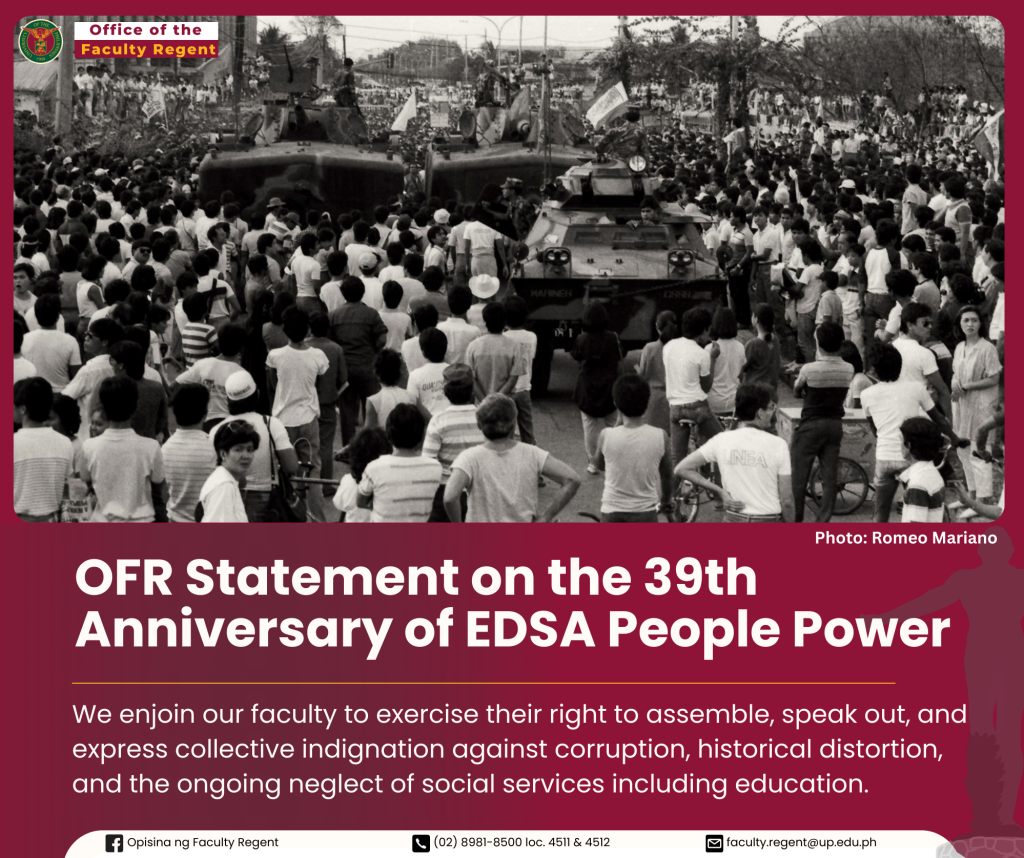
The Office of the Faculty Regent (OFR) of the University of the Philippines (UP) System joins the UP community and the entire country in commemorating the 39th anniversary of the EDSA People Power uprising. On this day, we remember that moment in history when the Filipino people stood up and bravely faced and defeated the tyranny of the Marcos Sr. dictatorship.We take part in the commemoration in part to honor the immense sacrifices made by members of our UP community and countless Filipinos who participated in the active resistance against the dictatorship for two decades. Many of them paid the ultimate price with their lives. Their legacy of selfless sacrifice and nationalism moves us to carry on with our struggle for justice and peace, and commitment to public service.We wish to acknowledge the decision of UP President Angelo A. Jimenez to declare February 25 as Alternative Learning Day in recognition of the historic 1986 People Power uprising. This declaration allows us to fulfill our collective duty to #NeverForget the inequities of the dictatorship and tyrannical rule, while providing us a crucial space for critical reflection and learning.We also understand why some members of our faculty body have expressed that UP should have taken a more progressive stand—similar to other universities that suspended work and classes—and that it could have been declared more promptly. We now move forward and take appropriate action to uphold the true spirit of the 1986 uprising. We must stand united against any attempt to revise history, normalize impunity, or erode public accountability.Our faculty members are crucial in shaping the minds of the youth who in turn will shape the future of the nation. We enjoin them to exercise their right to assemble, speak out, and express collective indignation against corruption, historical distortion, and the ongoing neglect of social services including education. We urge members of our community to participate in the multiple protest actions happening across the country today and resist efforts to silence or diminish the lessons of our past.Today is an opportunity for both commemoration and engagement. Let us make sure that progressive learning and critical thinking extend beyond our classrooms. By doing this, we honor the sacrifices of those who fought for freedom and reaffirm our commitment to a society that upholds good governance, justice, and accountability.Mabuhay ang diwa ng EDSA!#ResistTyranny#DefendAcademicFreedomHon. Early Sol A. GadongFaculty Regent, UP System
Faculty Regent holds consultation with UP Diliman basic education faculty on job security, well-being

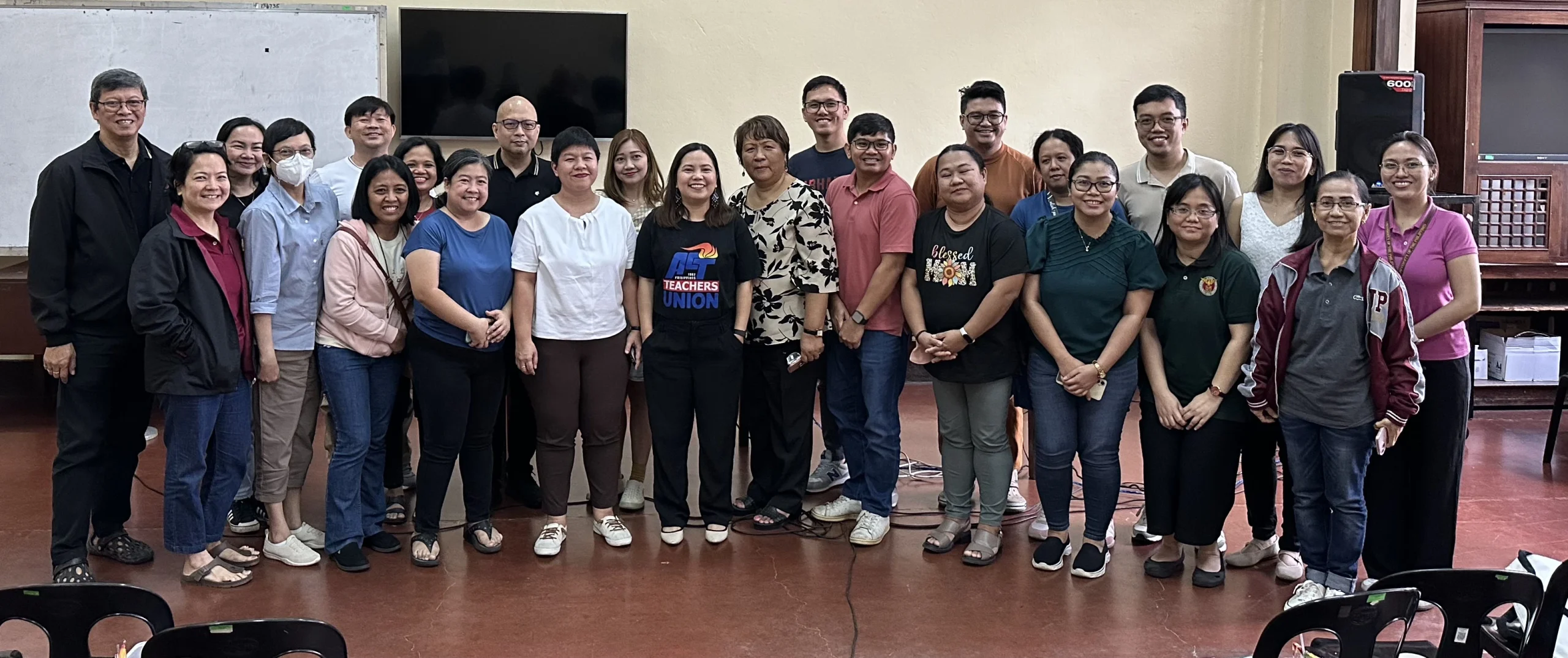
The UP Office of the Faculty Regent (OFR) convened faculty members from the University of the Philippines Integrated School (UPIS) and the UP College of Education for a crucial discussion on their working conditions and welfare. Titled “BATAYAN: Pagbabalita’t Talakayan tungo sa Kaayohan ng UP Basic Education Faculty,” the consultation took place on February 10, 2025, at Room 108, Benitez Hall, UP Diliman, Quezon City. The dialogue underscored the mounting challenges faced by basic education (BE) faculty, including excessive workloads, the rise of contractual employment, and the persistent lack of plantilla (permanent) positions. Participants voiced concerns over job security, economic stability, and the need for stronger academic freedom and democratic governance within the university. Ruby Ana Bernardo, president of the Alliance of Concerned Teachers (ACT) Union-NCR, provided insight into the dire situation of BE teachers across the National Capital Region, highlighting their parallel struggles with UP educators—from work overload and inadequate compensation to the fight for job security. Bernardo also shed light on the alarming cases of red-tagging and vilification faced by ACT Union leaders and members who assert their rights. Despite these threats, the union has made significant strides, successfully negotiating a collective negotiation agreement (CNA) with the Department of Education (DepEd) to uphold the rights and welfare of public school teachers. UP Faculty Regent Early Sol Gadong shared the issues and resolutions raised during the Basic Education Summit held last year and, with Teacher Katrina Paula Ortega, director-at-large of the All UP Academic Employees Union, detailed the specific hardships confronting UPIS faculty, including: Academic Burdens. Heavy workloads, sluggish hiring processes, high attrition rates, and the absence of clear policies on teaching load credits, especially regarding research expectations. Faculty Well-being. Lack of mental health support and inadequate workplace conditions that exacerbate the mental toll of overwork. Economic Security. Delayed salary releases for newly hired faculty and the urgent need for additional benefits such as shuttle services and housing support. Academic Freedom and Governance. Calls for the establishment of a system-wide Committee on the Promotion and Protection of Academic Freedom and Human Rights, alongside demands for greater transparency and democratic governance, and protection of academic freedom in UP’s basic education units. Ortega also outlined the Academic Union’s efforts to address these concerns and mobilize faculty members to collectively push for systemic reforms at the local, university, and national levels. The discussion extended to broader issues, such as inconsistencies in crediting systems across UP’s four BE units and concerns over the standardization of quality assurance evaluations. UPIS teachers expressed willingness to sustain the dialogue and strengthen collective efforts to implement resolutions and push for meaningful reforms. Faculty Regent Gadong stressed that real, lasting improvements in faculty welfare and institutional policies can only be achieved through sustained, organized action. The consultation closed with a strong call for unity and continued advocacy to secure the rights and well-being of UP’s basic education faculty.
Women’s rights advocates urge corporate sector to address domestic violence

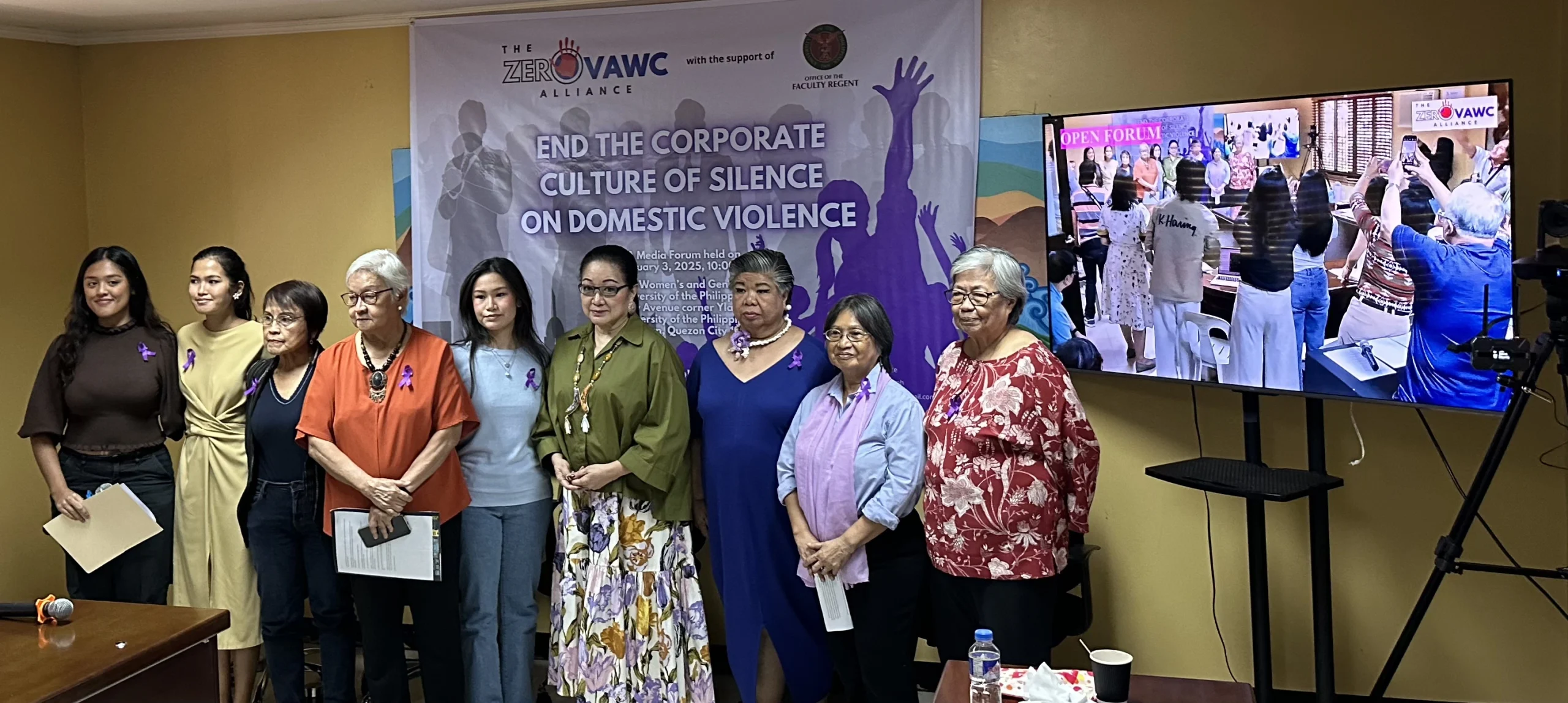
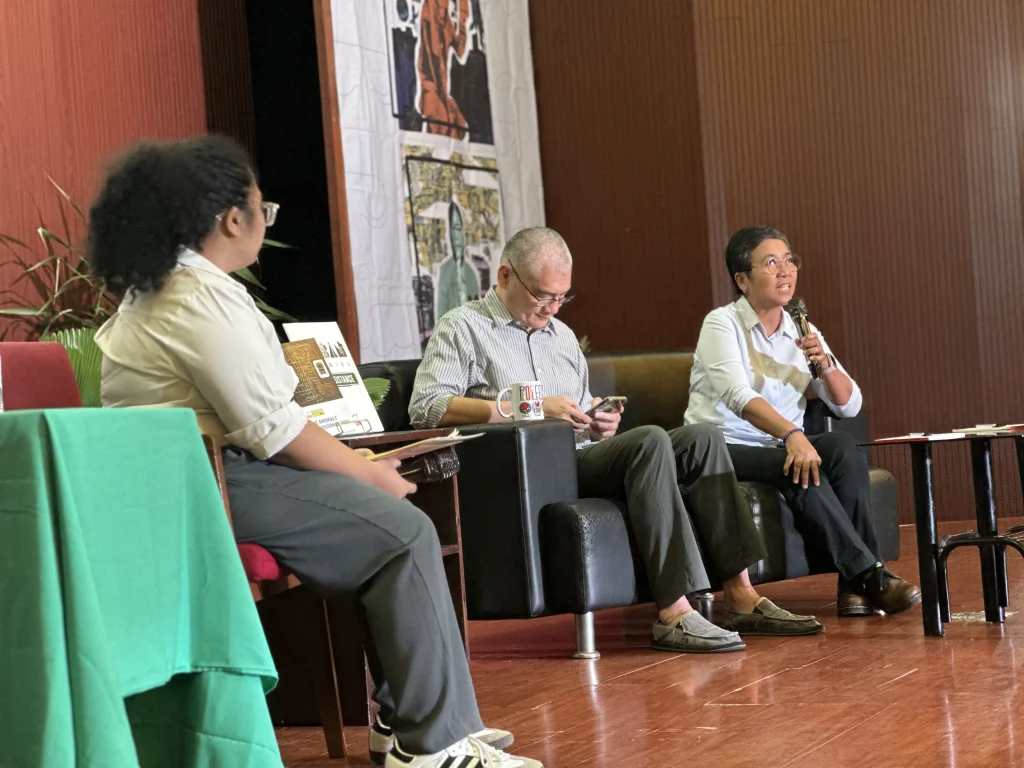
Women’s rights advocates are urging businesses to take greater accountability in addressing domestic violence, particularly when it involves corporate executives or occurs within the context of the corporate sector. This concern was highlighted by the Zero VAWC (Violence Against Women and Children) Alliance during a media forum held on February 3 at the UP Center for Women and Gender Studies in Diliman, Quezon City. The event was organized with the support of the UP Office of the Faculty Regent. “While corporations have initiated programs to lessen gender abuse in the workplace, the majority turn a blind eye to domestic abuse and violence in intimate relationships,” stated the alliance in its Unity Statement, read by artist and Babae Ako co-founder May Paner. “They focus policies and actions on public ‘reputation risk,’ excluding ‘private matters’ from their policies.” The alliance cited the case of Emmanuel “Noel” Bonoan, a business executive and former finance undersecretary, who was compelled to withdraw as president of the Management Association of the Philippines (MAP) after women’s rights groups exposed his documented acts of domestic violence. “I saw the immediate aftermath of the abuse on my mother by my father,” said Martina Bonoan, daughter of Emmanuel Bonoan, who spoke at the forum. “I have lived through it, and I have seen how the cycle of abuse persists as victims regain their strength to speak out.” Martina recounted personally witnessing her father physically abusing her mother when she was just six years old. “I saw him throw my mother against their bathroom wall, my mother limply sliding down into their bathtub. Years later, I saw the injuries she had sustained after he had senselessly beaten her one night – a blackened jaw, bruised arms and shoulders, and fingers tinged with purple because she had been thrown on the floor—all while I was unsuspectingly in the next room.” She also criticized MAP for framing her father’s resignation as an “honest and moral act.” “Let’s be clear: stepping down is not accountability. It is the bare minimum in light of his actions,” she emphasized. The alliance stressed that cases like that of Bonoan are not isolated, nor are they merely private family matters. “Domestic violence spills over into every aspect of our lives—our homes, our communities, and even our workplaces,” said Judy Taguiwalo, former social welfare secretary and former UP Faculty Regent. “It is also important to recognize that victims and survivors, while primarily women and children, also include other members of the household. Domestic violence can also victimize older persons, kasambahays, and even males or individuals of other gender identities.” Citing data from the Philippine Statistics Authority, the alliance noted that one in four Filipino women aged 15 to 49 has experienced domestic violence. Many cases remain unreported due to fear, stigma, and lack of institutional support. “When companies ignore domestic violence, they send a message that power and profit matter more than human dignity,” said former Gabriela representative Emmi de Jesus. Gert Libang, chairperson of Gabriela, acknowledged legislative gains in protecting women and children from domestic violence but stressed that much more needs to be done. “The government must have a mechanism for monitoring corporate compliance with anti-VAWC laws. Otherwise, it cannot demand accountability from corporations, and its stance to end VAWC becomes mere tokenism,” Libang asserted. She also urged the executive branch to strengthen the monitoring and enforcement functions of the Philippine Commission on Women and other relevant agencies. Libang further emphasized that employee workplaces and management associations, including MAP, must adopt codes of conduct addressing VAWC and other forms of gender-based discrimination. UP Faculty Regent Early Sol A. Gadong expressed her support for initiatives combating domestic violence and other forms of violence against women and children. “With the Kaayohan framework guiding my leadership, we emphasize wellness, well-being, and welfare for all, including the right of all workers, especially women, to be safe from violence, whether inside or outside the workplace,” Faculty Regent Gadong stated. She also criticized corporations for prioritizing brand protection over the dignity and rights of their workers. “We question why they constantly show off policies that prevent workplace harassment but stay silent when abuse happens in the home, knowing full well that survivors bring the trauma with them to work. This is clearly selective accountability, and this selectiveness fuels a culture of impunity. Abusers are protected while victims are left without recourse,” she concluded.
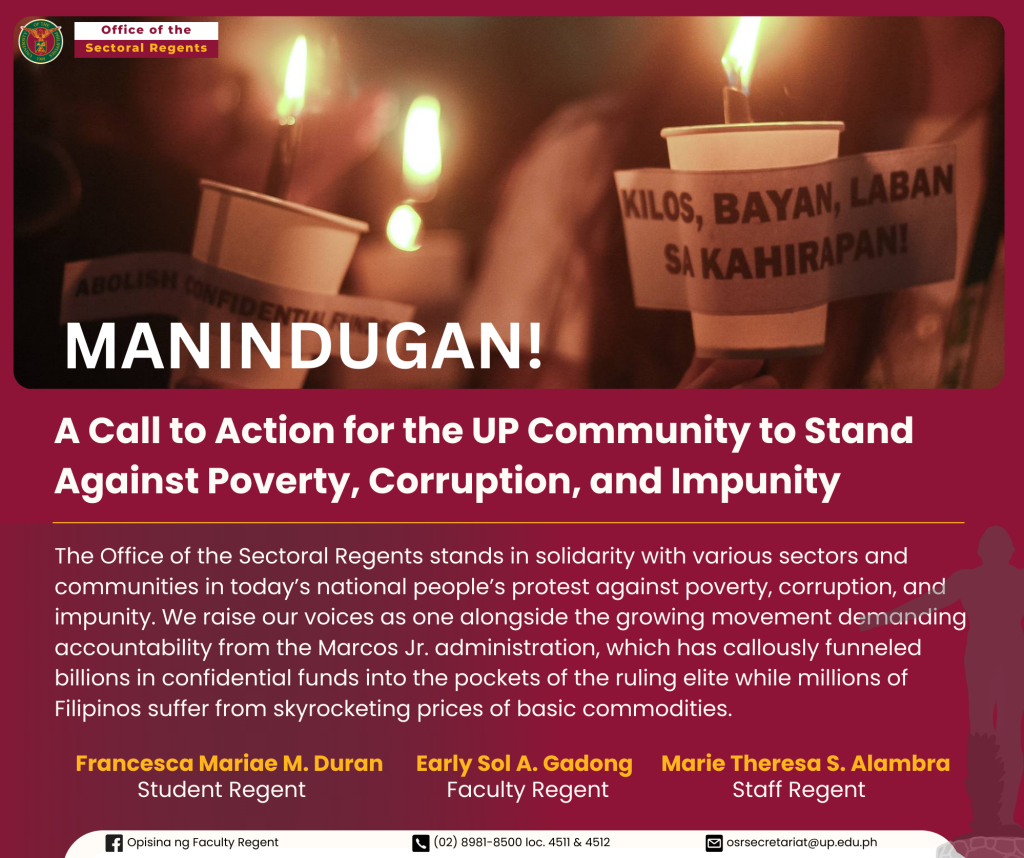
MANINDUGAN! | A Call to Action for the UP Community to Stand Against Poverty, Corruption, and Impunity

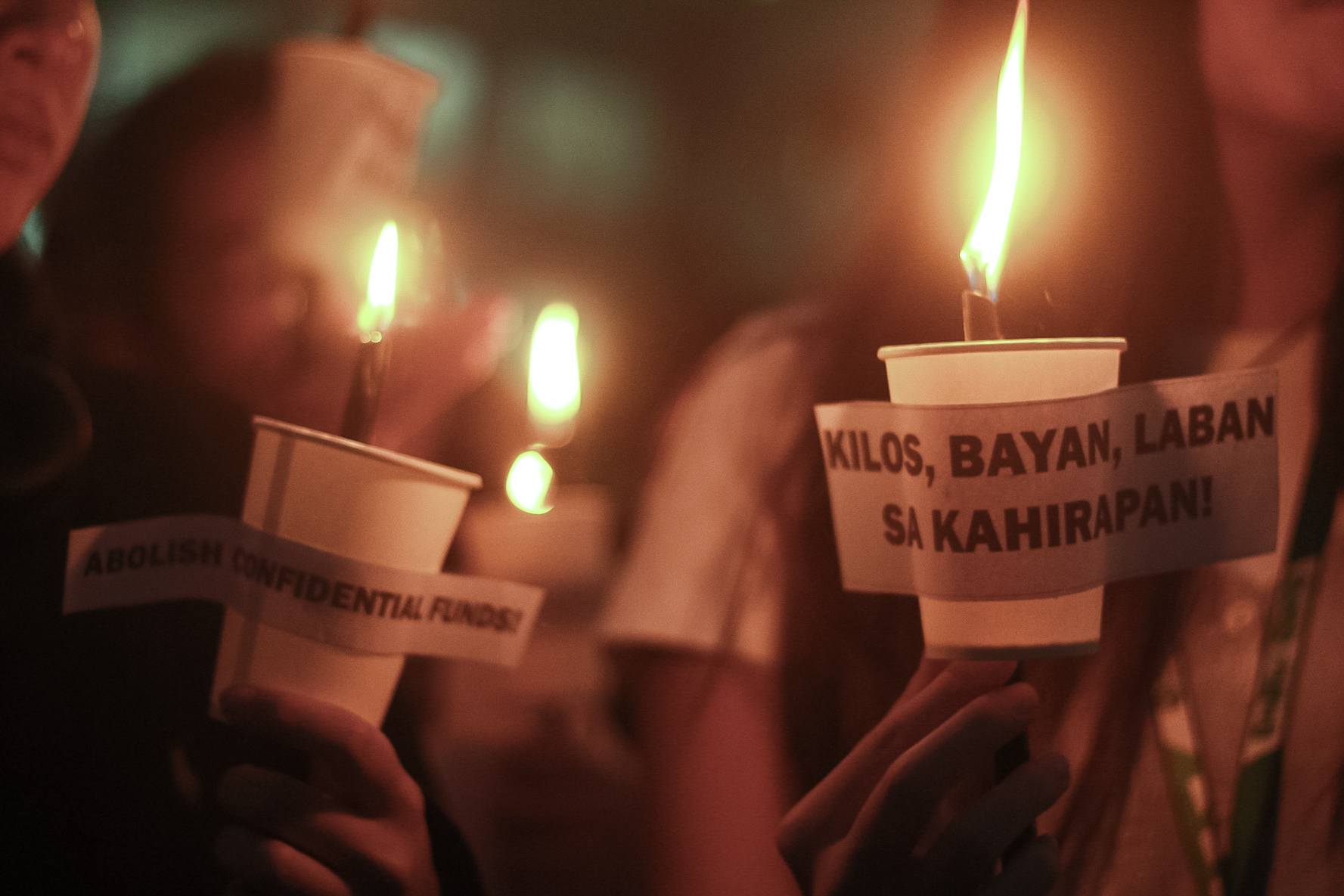
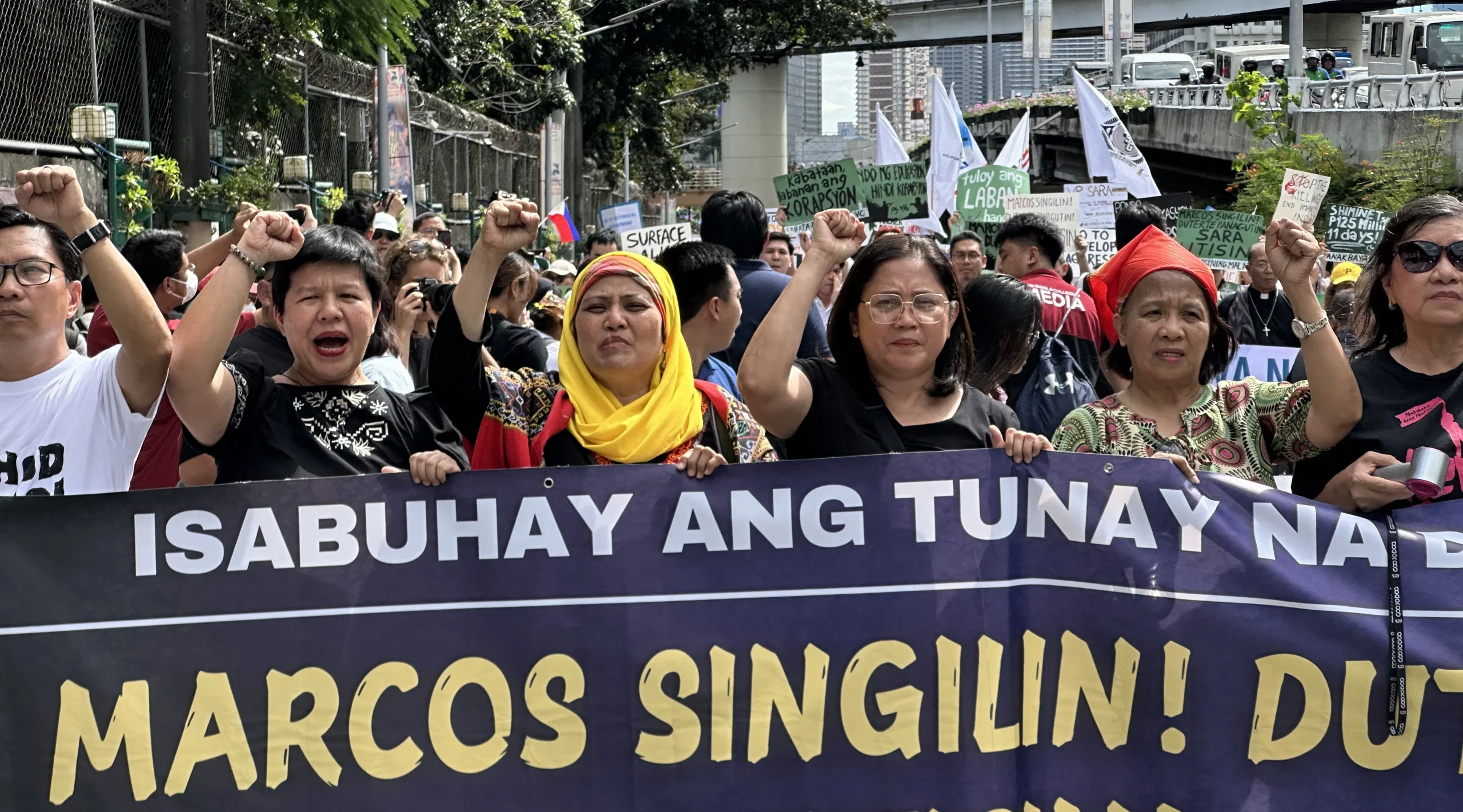
The Office of the Sectoral Regents stands in solidarity with various sectors and communities in today’s national people’s protest against poverty, corruption, and impunity (January 31, 2025). We raise our voices as one alongside the growing movement demanding accountability from the Marcos Jr. administration, which has callously funneled billions in confidential funds into the pockets of the ruling elite while millions of Filipinos suffer from skyrocketing prices of basic commodities. Nagkakaisa din ang inyong Student Regent, Staff Regent, at Faculty Regent sa panawagang patalsikin si Vice President Sara Duterte dahil sa walang pakundangang pag-aabuso sa paggasta ng pondo ng bayan sa Office of the Vice President at sa Department of Education. We likewise demand the prosecution of former President Rodrigo Duterte for his brutal and bloody war on drugs and and for his relentless attacks against the political opposition. We condemn how President Marcos Jr. has drastically cut funding for essential sectors, thereby crippling institutions that provide social services. The Department of Health lost ₱26 billion, while PhilHealth suffered a ₱74 billion reduction. The Department of Education faced a ₱12 billion budget cut, while the Commission on Higher Education had its funding slashed by ₱27 billion. The Department of Agriculture, which should be strengthening local food production, saw a ₱20 billion cut. Even the University of the Philippines, the country’s national university, suffered a ₱2.08 billion reduction—the largest in nine years. In the face of the underfunding of these vital services, Marcos Jr.’s allies in Congress have inserted millions in discretionary allocations into a budget riddled with at least 14 blank pages, as exposed by Makabayan and other opposition legislators. Exacerbating these matters is the billions of pesos in confidential funds amassed by the Office of the President that can be vulnerable to abuse, especially with the 2025 midterm elections looming. Despite the publicly projected political power struggles between the Marcos and Duterte camps, Marcos Jr. has refused to support impeachment proceedings against Vice President Sara Duterte. He has openly dismissed the overwhelming evidence exposing Duterte’s misuse of public funds for dubious expenditures and justice remains elusive for the victims of the Duterte administration’s bloody war on drugs and its vicious persecution of political opponents from 2016 to 2022. Rather than reversing these repressive policies, the Marcos Jr. administration has doubled down on political persecution, launching punitive attacks on democratic rights, academic freedom, and human rights defenders, all while shielding the police, military, and the National Task Force to End Local Communist Armed Conflict (NTF-ELCAC) from accountability. In the midst of these blatant abuse of power, we call on the entire University of the Philippines community to rise and resist the worsening state of poverty, corruption, and impunity in the country. Let us stand together and demand genuine accountability, justice, and democratic rights for all. MARCOS SINGILIN! DUTERTE PANAGUTIN!
IBON Birdtalk: Marcos Jr. Administration Big on Optics, Short on Pro-People Responses

Despite the Marcos Jr. administration’s claims of economic growth, poverty remains at an all-time high, according to political and economic analysts from IBON Foundation during the IBON Birdtalk Yearstarter on January 23 at the UP Institute of Biology Auditorium. The Birdtalk was co-sponsored by the UP Office of the Faculty Regent and the All UP Academic Employees Union. IBON Foundation Executive Director Sonny Africa and IBON Research Head Rosario Guzman pointed out that the steady increase in the prices of basic commodities, coupled with the government’s admission of a food emergency, underscores the worsening economic crisis experienced by the majority of working Filipinos. “What we see is that Marcos is big on optics but short on results,” Africa said. Both experts emphasized the need for the Philippine government to adopt a policy of national industrialization to establish a material basis for an inclusive and progressive economy. In a global context where many countries, including highly industrialized and imperialist ones like the United States, are adopting protectionist economic policies, the Philippine government continues to follow the neoliberal path of privatizing social services and public assets while relying heavily on foreign investments. According to Guzman, the political rivalry between the Marcos and Duterte families, two of today’s most powerful political dynasties, serves only to distract from the continuation of failed policies that benefit oligarchs and foreign monopoly capitalists. Meanwhile, UP Faculty Regent Early Sol Gadong highlighted the importance of platforms like Birdtalk, which provide opportunities to discuss political and economic issues from the perspective of marginalized sectors in Philippine society. Faculty Regent Gadong also underscored the critical role of defending academic freedom to ensure that social issues are openly discussed and policies such as neoliberalism are subjected to thorough critique. “As a math teacher, I find it despicable that data and statistics, such as unemployment and poverty rates, are manipulated to project the illusion that everything is fine in the country. I always remind my students that numbers may not lie, but data can be tortured to say whatever we want it to say. We must be critical enough to know when we are being played for fools,” she explained. Gadong also recognized the current situation as an opportunity for progressives to reach out to as many people as possible to achieve the broadest unity in pushing for progressive change. “We have a huge role, especially those of us in the academe. It is always part of our responsibility to strengthen our ranks, not only for knowledge creation but also to use this knowledge to improve society,” she added.
Championing academic freedom and faculty welfare define Ramota’s term as UP Faculty Regent

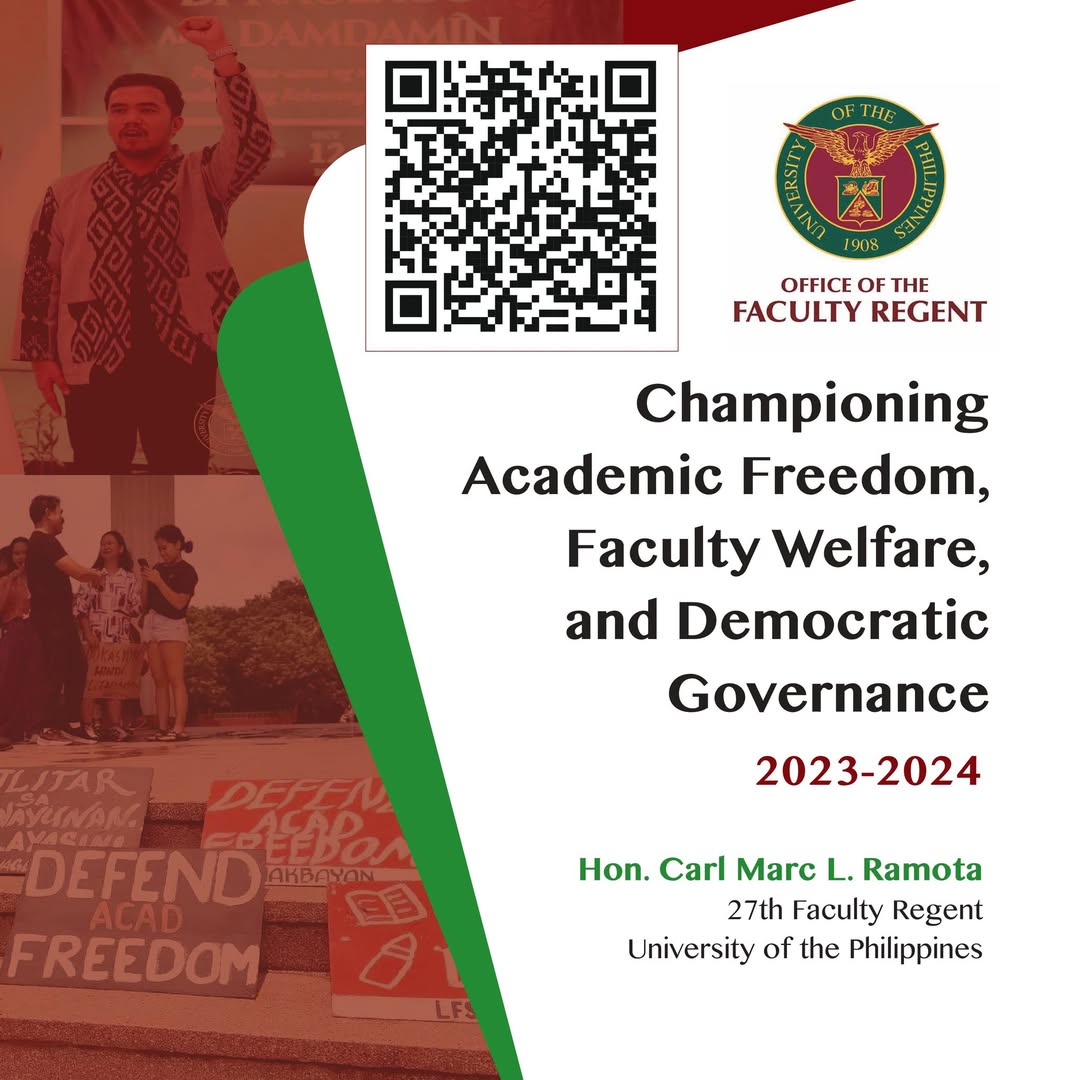
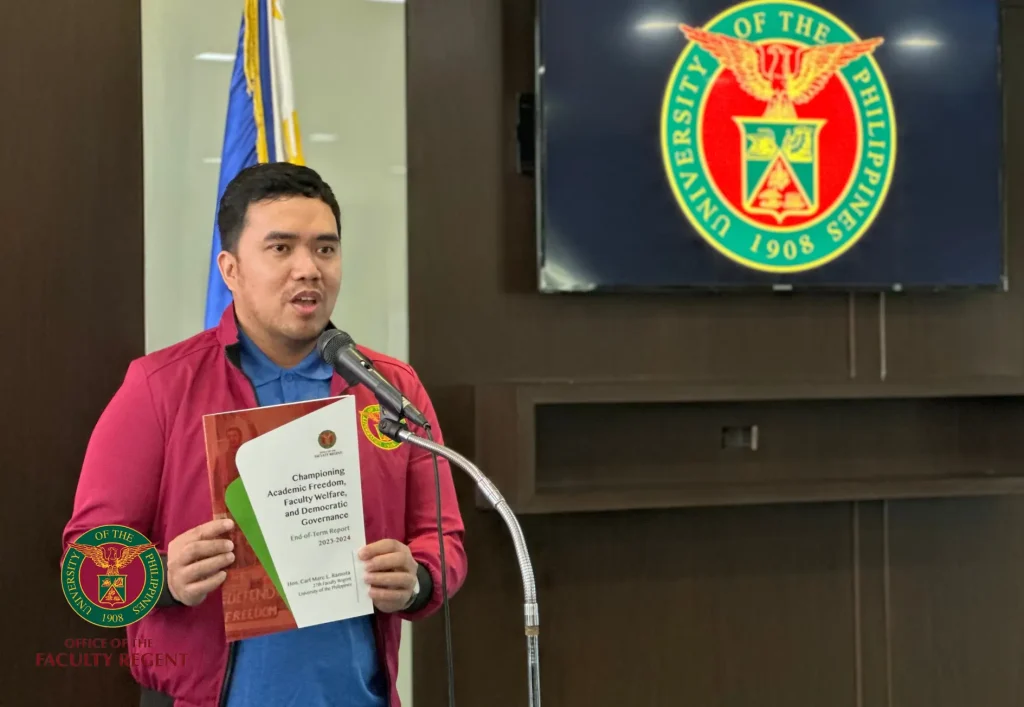
Hon. Carl Marc L. Ramota, 27th Faculty Regent of the University of the Philippines (UP) System, has concluded his two-year tenure (January 1, 2023 – December 31, 2024). His term was defined by commitment to academic freedom, human rights, faculty welfare, and public service, pushing for UP’s role as a democratic and progressive national university. Read or download Faculty Regent Ramota’s end-of-term report: https://drive.google.com/file/d/1q-UKLUGOt08dMhk8bRPrL83brx3BWFKc/
Faculty Regent Gadong expresses alarm over 2025 UP budget cut

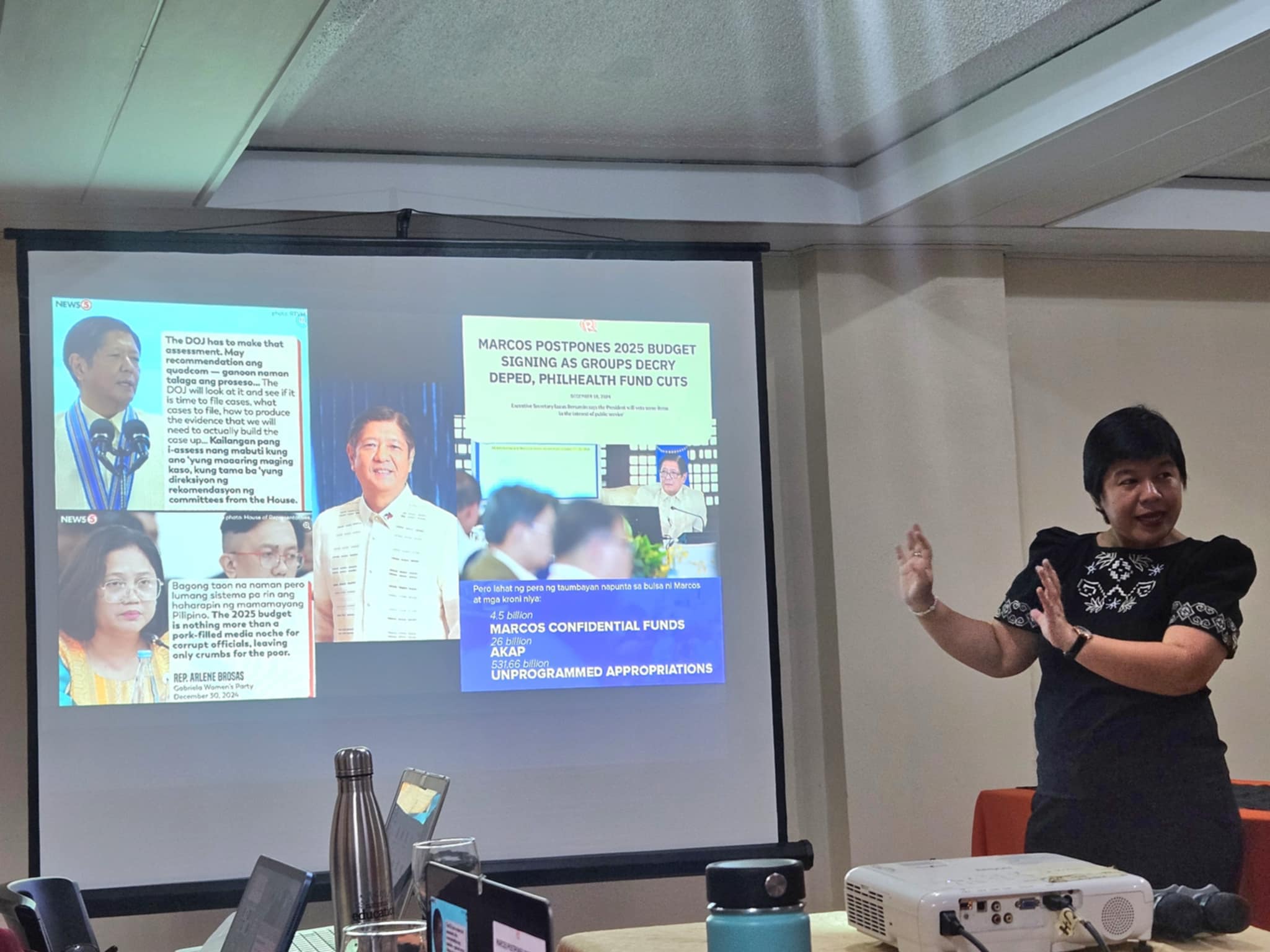
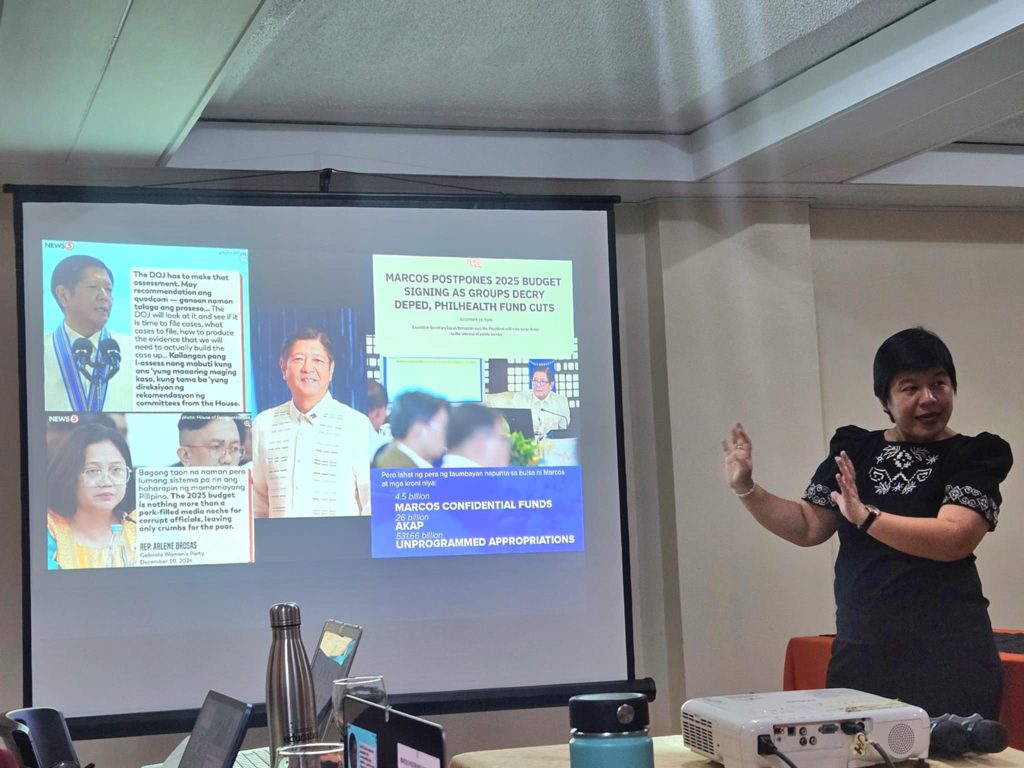
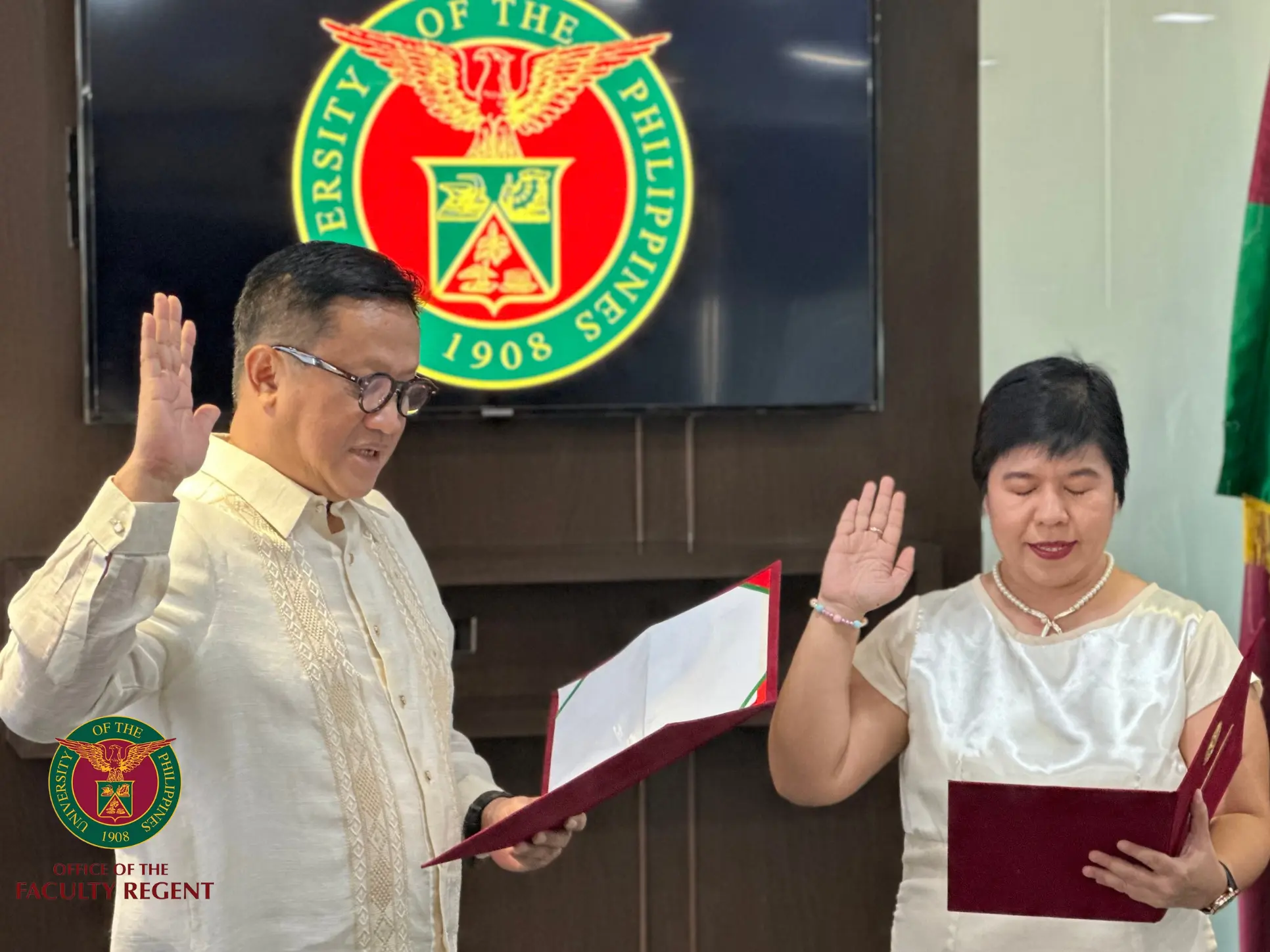
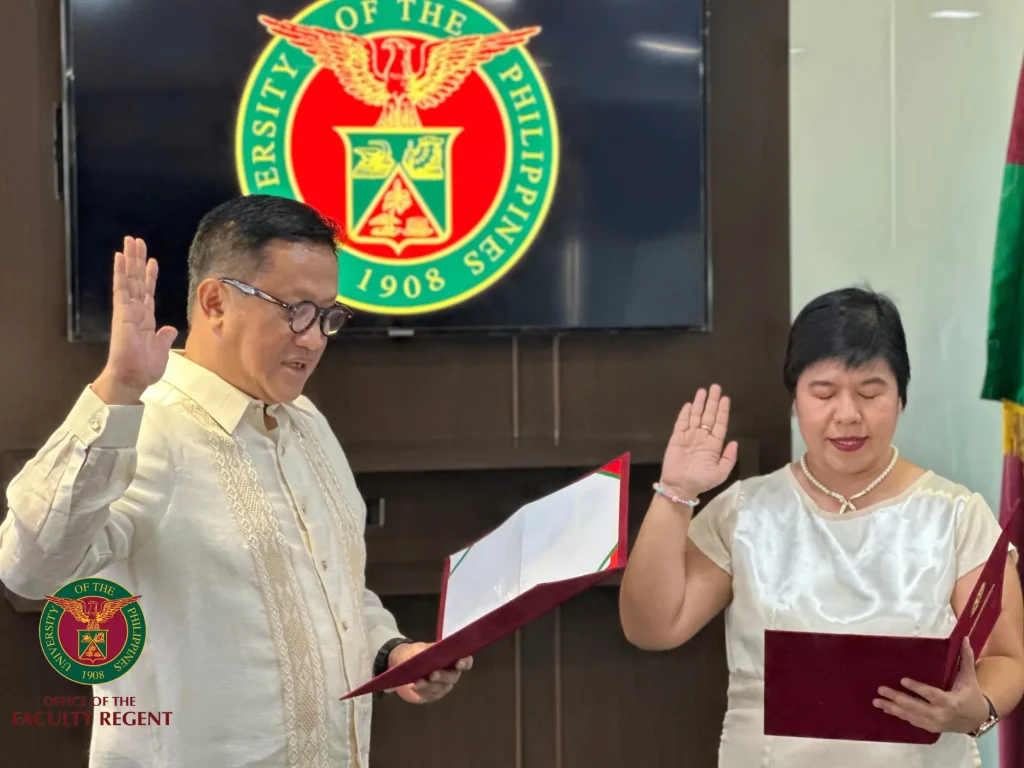
Faculty Regent Early Sol Gadong has expressed alarm over the PhP2.08 billion budget cut affecting the University of the Philippines (UP), alongside reductions in the budgets of critical social services such as the Department of Social Welfare and Development (DSWD), Department of Health (DOH), and housing agencies. Speaking at the All UP Academic Employees Union (AUPAEU) Strategic Planning for 2025, Gadong urged collective action to address these austerity measures, which she warned would adversely affect UP and marginalized sectors across the country. Newly sworn-in Faculty Regent Gadong officially assumed office after being sworn in by UP President Angelo Jimenez in a short oath-taking ceremony at Quezon Hall in UP Diliman, Quezon City, attended by academic union officers, former faculty regents, university officials, and members of the UP community. During the planning session, Gadong delivered an in-depth discussion on the National Situation, providing a critical review of 2024 challenges and key political and economic issues for the new year. She analyzed the tensions between the ruling political cliques of the Dutertes and Marcoses, emphasizing their impact on national governance. She also discussed the quadcom hearings investigating former President Rodrigo Duterte’s bloody war on drugs and Vice President Sara Duterte’s questionable fund allocations under the Office of the Vice President and the Department of Education, including the alleged misappropriation of PhP125 million in just 11 days. The discussion highlighted the Marcos administration’s budget reductions for education, health, and disaster response, as well as the controversial PhP4.5 billion confidential funds under the Office of the President. Gadong warned of potential misuse of these funds to influence electoral outcomes and criticized increased Social Security System (SSS) contributions that burden working-class Filipinos. Faculty Regent Gadong called on AUPAEU members to join the campaign against budget cuts for social services and to advocate for academic freedom, social justice, and institutional accountability. The planning session ended with a commitment to advancing the welfare of UP faculty and staff while standing in solidarity with sectors affected by budget cuts, corruption, and political infighting.
Prof. Early Sol Gadong sworn in as 28th Faculty Regent of the University of the Philippines System

The Office of the Sectoral Regents (OSR) of the University of the Philippines (UP) welcomed its newly sworn-in Faculty Regent, Prof. Early Sol Gadong, during a ceremony held on January 6, 2025 at Quezon Hall in UP Diliman campus, Quezon City. Prof. Gadong, a faculty member of UP High School in Iloilo, brings with her a strong commitment to the welfare and well-being of the UP faculty and the university community. She assumes the office of the 28th Faculty Regent for the term 2025-2026. Her oath-taking ceremony was attended by various members and leaders of the UP community, including UP President Angelo Jimenez, UP Vice President for Academic Affairs Leo D.P. Cubillan, UP Vice President for Legal Affairs Abraham Rey Acosta, Secretary of the University and of the Board of Regents Roberto M.J. Lara, All UP Academic Employees Union (AUPAEU) National President Perlita Raña, Prof. Hermie Cartagena from the AUPAEU-Iloilo chapter, Jonathan Beldia from the UP Workers Alliance, members of UP Multisectoral Alliance, CONTEND, UP Arboretum community members, and others. Prof. Gadong articulated her vision for the office, focusing on a service-oriented leadership model that places a premium on faculty welfare, academic freedom, and inclusion. Central to her plan is the advocacy for more plantilla positions, liveable wages, and transparent policies on faculty recruitment, tenure, and promotion. Following the advocacies of outgoing 27th Faculty Regent Carl Marc Ramota, Prof. Gadong also expressed her intention to further push for the promotion of academic freedom, ensuring that UP remains a safe space for free thought and critical expression. Prof. Gadong further emphasized her commitment to mental health initiatives and welfare policies, such as advocating for enhanced housing benefits and stress-free commute options for newly hired faculty members. Additionally, her plan includes fostering stronger collaboration and dialogue across the different UP campuses to address unique academic challenges, such as those faced by the basic education units and creative sectors. As the newly appointed Faculty Regent, Prof. Gadong takes on the responsibility of representing the UP faculty’s interests in the Board of Regents and will work closely with university administrators and unions to push for reforms that address the growing needs of the faculty sector. In her message during the oath-taking ceremony, Prof. Gadong thanked his predecessors, particularly outgoing Faculty Regent Ramota, for their leadership and unwavering advocacy for academic freedom and faculty welfare. She assured the UP community that under her leadership, the Office of the Faculty Regent (OFR) would continue to be a vital platform for addressing the challenges faced by the faculty while upholding the university’s commitment to academic freedom and public service. The ceremony concluded with a humble salu-salo, where attendees partook of light snacks and gathered for a photo session.
Gadong is next UP Faculty Regent
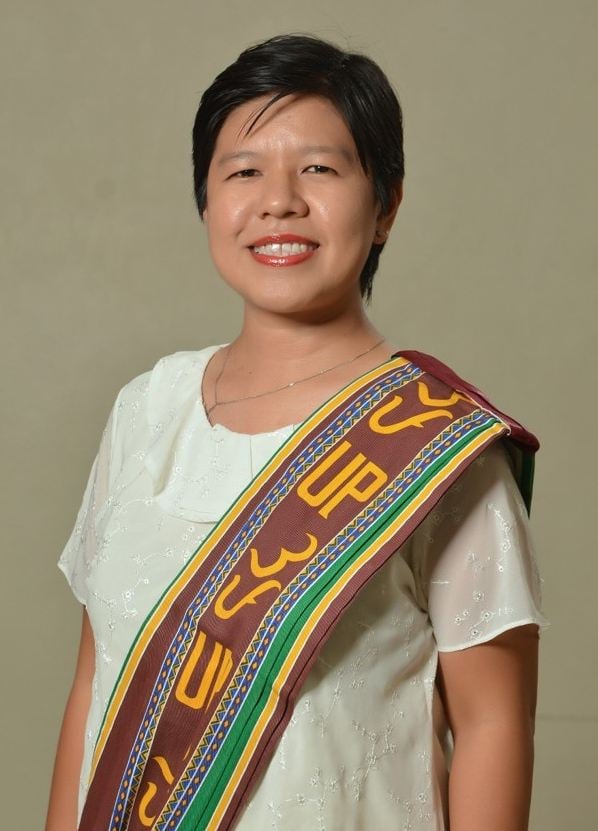
Prof. Early Sol Gadong, a faculty member of the University of the Philippines High School in Iloilo (UPHSI), is the next Faculty Regent of the University of the Philippines (UP). Prof. Gadong’s two-year term will begin on January 1, 2025, as the sole representative of the faculty on the UP Board of Regents, the highest decision-making body of the UP System. The UP Board of Regents confirmed on Nov. 28. 2024, the results of the Faculty Regent Election held on Nov. 20-21, 2024. Her plan of action as Faculty Regent is grounded in the collective wellness of the UP community and the Filipino people. Prof. Gadong is a UP Artist II, one of the Ten Outstanding Women of Iloilo City for 2024, and a four-time recipient of the Carlos Palanca Memorial Awards for Literature. She also served as the President of the All UP Academic Employees Union – Iloilo Chapter from 2017 to 2022. Written by Carlson Alelis, IPO
Historic confab advocates for protecting critical thinking, progressive engagement in education institutions

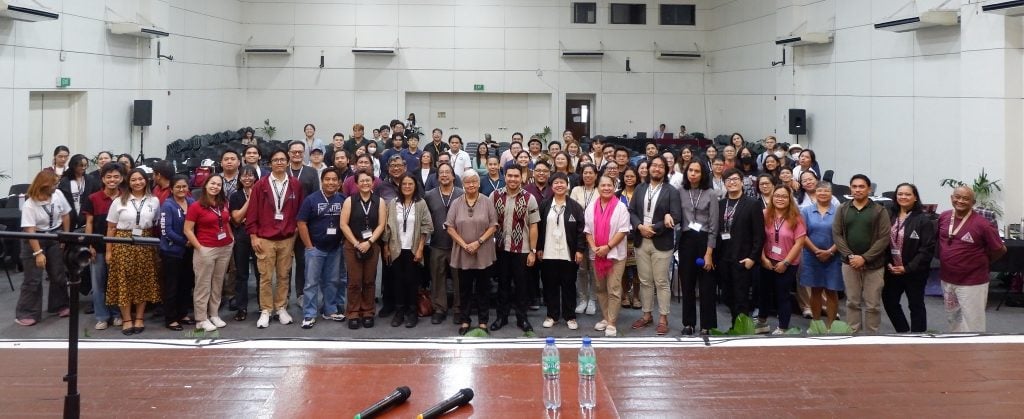
Over 200 participants and 40 distinguished speakers gathered at the GT Toyota Auditorium at the Asian Center, University of the Philippines(UP) Diliman on Tuesday, December 4, 2024, to hold the historic 1st Academic Freedom and Human Rights Conference to discuss urgent threats to academic freedom and human rights in the country’s different education institutions. Organized by the UP Office of the Faculty Regent, All U.P. Academic Employees Union, Congress of Teachers/Educators for Nationalism and Democracy (CONTEND), the Network in Defense of Historical Truth and Academic Freedom, and the Defend UP Network, the conference highlighted the urgent need to protect academic institutions from threats to intellectual independence and progressive politics. It also coincided with CONTEND’s 5th Pingkian Conference, reinforcing a shared commitment to advancing critical thought and social justice. Participants and speakers tackled pressing issues such as red-tagging and terror-tagging, which have increasingly targeted students, faculty, and staff engaged in socio-civic advocacy and critical work. The phenomenon has become prevalent not only in UP but also in other academic institutions with outspoken community members in their critique of state policies and positions. Concerns were also raised about the corporatization and commercialization of state universities, which jeopardize their public service mandate. For instance, the replacement of community institutions like the UP Shopping Center with commercial developments catering to big businesses underscores the creeping influence of corporate interests in education. Participants and speakers have also pointed to institutional agreements such as the UP-Armed Forces of the Philippines Declaration of Cooperation as attempts to stifle dissenting opinion and further compromise the independence of scholars, students, and university staff. In a joint statement, conference participants underscored the systemic challenges confronting academic freedom: “(a)s education becomes more commodified, schools and universities are targeted by efforts to silence dissent, suppress critical thought, and stifle resistance to systemic injustices. Red-tagging, censorship, harassment, and the criminalization of academic and civic engagement are assaults on the integrity of education itself.” To address these issues, they called for the creation of Committees on the Protection of Academic Freedom and Human Rights across educational institutions in the Philippines. These committees would defend academic freedom against harassment, red-tagging, and repression; provide institutional support for educators, students, and staff facing threats; promote dialogue on the importance of academic freedom and human rights; and advocate for progressive policies to institutionalize these protections. The conference reaffirmed the commitment of the academic community to resist the erosion of freedoms and to uphold progressive education and critical thinking as cornerstones of a democratic society. Participants pledged to continue engaging their peers in the fight for academic freedom, ensuring that universities remain bastions of critical thinking and progressive values, and sites of protection for human rights defenders. #DefendAcademicFreedom #UpholdHumanRights